




Encore Economics: How Concert Revenue Models Are Evolving with Digital Gaming Trends
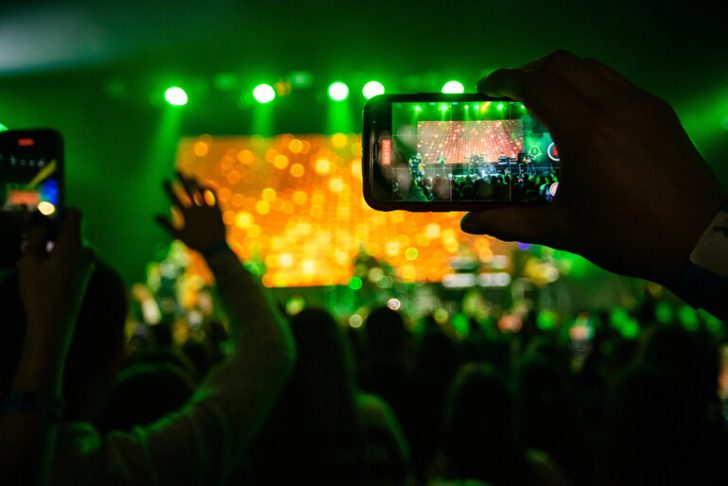
Virtual concerts and gamified music are turning games into the hottest new stage, reshaping how fans experience sound and culture.
 Story by:
Music Blog
Story by:
Music Blog
The whole entertainment business is feeling the effects of the video computer industry’s success. HBO’s The Last of Us demonstrated how game-inspired storytelling can captivate an audience, demonstrating how movies and television have changed in tandem with the gaming boom. Music is one area in this crossover that is rarely given adequate consideration. Most people fail to acknowledge how deep the link is.
The rhythm that digital media plays is changing how we consume sound, perform, and even find new artists. Examples include in-game concerts that attract millions of virtual guests and partnerships where creators compose soundtracks that represent entire gaming worlds. It’s not a far-off future anymore; music and gaming are already collaborating to create a new sort of stage where viewers can do more than just listen.
Gamification in Music
Gamification is a popular term that has hit the business world. It is especially notable in entertainment that is close to gaming, such as online play and internet casinos. Affiliate platforms like Casinofy have had a lot to say about gamification. Many have spotted how online casinos in Europe and the West in general have been affected by the new wave of video game inspiration. It is the job of these platforms to share transparent and honest reviews detailing whether gamification has had a positive or negative impact on casinos.
But gamification has reached the music industry as well. We need to look no further than music streaming platforms to figure that out. Users can now earn points and badges for listening to a select number of new artists or for completing their favorite artist’s discography. They may even face daily challenges to listen to a set amount of songs or to a specific artist. Any long-time gamer will know that daily challenges are a term that sprang from the gaming industry in the first place. The effects of gamification are quite apparent.
Virtual Concerts
The gamification of music is a hotly debated topic in entertainment circles. Some see clear benefits in it. However, have also criticized the phenomenon by many people as they argue that the fans of music are losing something more in the quest to achieve short-lived satisfaction. Whichever side of the debate you come down on, there is one certain thing: the virtual world will have a significant impact on the music industry. It is possible to observe that in the new trend of hosting virtual concerts in games such as Fortnite.
The massively multiplayer online game has become more than a shooter; it’s now a cultural hub. Players jump in not only to compete but to express themselves through avatars modeled after global icons like Sabrina Carpenter and Travis Scott, blurring the lines between fandom, art, and play. Music found its own spotlight in this digital world when Marshmello hosted a groundbreaking virtual concert in 2019. The Party at Pleasant Park drew millions of players into a synchronized experience, featuring eight of his biggest tracks and even inspiring a chart-topping album, Marshmello Fortnite Extended Set. It marked a turning point where gaming stopped being a backdrop for music and became a live, shared stage for it.
Saving Symphony Orchestras
The classical and orchestral musicians of the olden days have a debt of gratitude to the popular music of the modern era. Quite frequently, people can make some comparisons between the brilliant guitar playing of Dave Mustaine of Megadeth and the sound mastery of classical composers like Beethoven or Mozart. Nonetheless, symphony orchestras and classical arenas are still getting diminishing as popular music keeps changing. Many have been forced to reduce their operations, and many have shut down. It is hard to believe that game designers are trying their hardest to maintain the scene.
When the Dallas Music Hall transformed computer game themes into a live orchestral encounter more than ten years ago, it made history. It was not just the audience being sentimental as the symphony performed the sweeping music of The Legend of Zelda; the audience was captivated. The concept of a classical orchestra in a Nintendo game creating the soundtrack was thought to be a glamorous success at the moment, but it has proved to be a breathtaking one. Classical music has been utilized in fantasy games such as Final Fantasy and The Legend of Zelda to add more narrative and has added majesty and emotion that outweighs movie soundtracks. A connection between millennia is created as a result: classic instruments that reinvent digital worlds. Since the show, symphonies all across the world have adopted the practice, demonstrating that classical music is not being replaced by video games.




A fascinating deep dive into how gaming is reshaping the music industry’s rhythm. 🎶🎮 The blend of gamification, virtual concerts, and immersive storytelling is redefining fan engagement—turning listeners into active participants. The future of live music isn’t just on stage anymore—it’s in the game.
— Team Maple Learning Solutions