





Differences Between Learning Classical and Rock Piano
Classical precision clashes with rock rebellion as piano students navigate rhythm, riffs, and raw musical expression.
 Story by:
Music Blog
Story by:
Music Blog
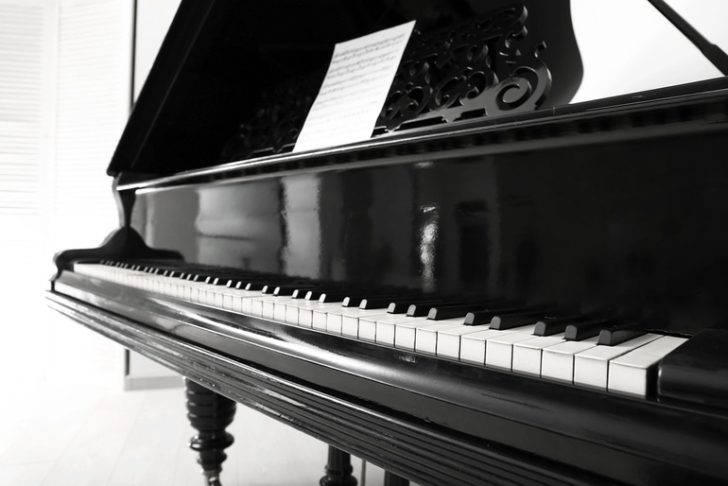
The piano is given special status in both concert and rock arenas. A student might do it with Bach preludes or with riffs that are based on Billy Joel; however, the skills involved are common in the background. Both methods emphasize how great is learning music: the combination of structure and creativity. Timing, phrasing, and discipline are enhanced by classical pieces, whereas ear training, improvisation, and style are developed by pop-influenced riffs. They all combine to reveal the ways various traditions in music are not about opposition but about conversation, which provides the learners with a broader range of vocabulary to express themselves at the piano and elsewhere.
Shared Fundamentals Between Classical and Rock
Both traditions demand a strong foundation, but they approach it differently: classical through full notation and rock through chords and lead sheets. Together, they reveal how versatile a pianist can become.
Reading Music and Chords
In classical training, one cannot afford to lack the ability to read both bass and treble clefs. The sonata of Beethoven or the nocturne by Chopin usually requires that there are two hands, and each hand reads separate lines, having different rhythms. Rock musicians do not necessarily need to be reading full scores, but they should be able to read chord symbols and lead sheets. As an illustration, the chord progressions of Elton John in Your Song are constructed in such a way that they can be more easily learned with a simple understanding of harmony on the page, which also highlights the broader benefits of music education in strengthening versatility across genres.
Rhythm and Timing
Classical and rock pianists need to count in time, and this is not just even if they are able to play the dotted rhythms in the Mozart Rondo alla Turca or just play the steady backbeat pulse rhythm in the Jerry Lee Lewis Great Balls of Fire. Beat subdivision, beat syncopation, and beat time with a metronome are common elements.
Scales and Technical Posture
Some of the initial patterns that are taught in either setting are C major, G major, and A minor scales. Classical training is a form of training to prepare students to perform pieces such as Czerny studies or Mendelssohn songs without words. In rock, they culminate into solos that are improvised through pentatonic or blues scale over a 12-bar blues form. Both traditions are supported by proper posture, curved fingers, and relaxed wrists, even if it is to rival the Liszt-Tyler of the octaves in his song, the La Campanella, or to hammer the driving left-hand octaves in the song of Paul McCartney, Lady Madonna.
Skills and Techniques in Classical Piano
Classical piano thrives on structure, with every note written and every rhythm carefully measured. This is where score-based playing takes center stage.
Score-Based Playing
Classical study is based on the perception of the written scores. A Chopin nocturne is the piece that should be focused on, not only the pitch and rhythm, but also the dynamic markings, slurs, changes of the pedal, and tempo. Music will be read to you in your piano lessons in Vancouver, WA, and you will have to maintain the practice over several years before you can master difficult compositions.
Polyphony and Hand Independence
The Inventions or fugues by Bach require the hands to have separate voices. A student has to find a balance between melodies and counter-melodies, crossing hands frequently or rearranging notes to be clear.
Advanced Rhythm and Ornamentation
Passages of compound meters are introduced in piano concertos by Mozart, whereas rubato is frequently expected in Chopin. Ornamentation (e.g., trills and mordents) is a matter of finger control.
Touch, Pedal, and Expression
The legato movement of Schumann Trummer Mai is very contrasting to the staccato movement of Prokofiev Toccata. In Debussy, the use of syncopated pedaling in the Clair de Lune does not create a blurred harmony, and the half-pedal in Ravel’s music gives the music a sense of color.
Theory and Memory
The interpretation of the harmonic progression in the Pathétique Sonata by Beethoven helps to explain the decisions of phrasing. Classical training continues to be a cultural requirement of memorizing significant compositions, such as the works of Chopin, composed of Etude Op. 10 No. 3.
Skills and Techniques in Rock Piano and Keyboard
Rock piano leans on energy and feel, often built from simple progressions that drive the song forward. That’s where chord-based playing shines.
Chord-Based Playing
Chords such as triads, sevenths, and inversions are the basis of songs such as The Beatles ‘: Let It Be and Piano Man. Rapid identification of chord shapes is the foundation of comping in a band. Soundcheck Rock Academy, as an example, offers piano lessons in Columbia, MD, yet the student is free to play his or her abilities on the keyboard with a live rock band in case he or she wants to.
Groove and Left-Hand Patterns
The recordings of Fats Domino have boogie bass lines that characterize rock piano. The syncopated comping used in the performance of What I Say by Ray Charles involves close rhythm accuracy.
Improvisation and Solos
Solos that are improvised tend to use pentatonics and modes. In Highway Star by Deep Purple, the riffs have to be improvised on the spot by keyboardists amidst the vigour of the band.
Ear Training and Technology
Learning parts by ear is common with keyboardists, such as in the case of the organ line in The Doors Light My Fire. Sound design is an issue, too, with Jon Lord contributing distorted Hammond organ, Rick Wakeman contributing layered synth textures.
Playing in a Band Context
In Queen’s ” Don’t Stop Me Now, chords played with the left hand as riffs are added by the right hand illustrate the manner in which rock piano players stay aligned with the guitar and drums. This balance shows how important it is to play piano in a band, where listening together becomes essential for individual accuracy.
How Training Differs in Practice
Classical training is built on discipline and routine, shaping a pianist’s skills step by step. This structured approach forms the backbone of their musical growth.
Classical Training Structure
The technique of Haman is developed with exercises, Czerny etudes, and progression of repertoire. Students study exams, recitations, and competitions in which accuracy is important.
Rock Training Approach
Songs tend to become lessons. A student may get to know Bohemian Rhapsody in weeks, notwithstanding exams, but riffs and performance preparedness. Jamming, live performances, and cooperation become the standards of development.
Lessons Across Genres
The technical requirements and the performance traditions of classical and rock piano do not coincide, yet both of them need discipline and attention to detail. Classical and rock have their foundations based on notation, polyphony, and control of expression and chords, rhythm, improvisation, and technology, respectively.
Someone who has studied both styles, often through a premium piano program that encourages versatility, can easily feel at home on a Bach fugue and a Rolling Stones cover and will have that flexibility that will add depth to any kind of performance. This mix of traditions is also a reflection of the larger music scene, in which genres continually steal from other genres. The student can study across styles and, in doing so, not only broadens his or her technical ability but also understands how music can and does change, integrate, and keep inspiring the next generation of performers and audiences.




Comments 0
No Readers' Pick yet.