




Anton Gerasimenko: Music as the Thread of Time
Using ancient Slavic folklore with modern rock, composer Anton Gerasimenko shatters genre boundaries and brings a powerful message of cultural survival to the world stage
 Story by:
Music Blog
Story by:
Music Blog
Story by Regina Lobato
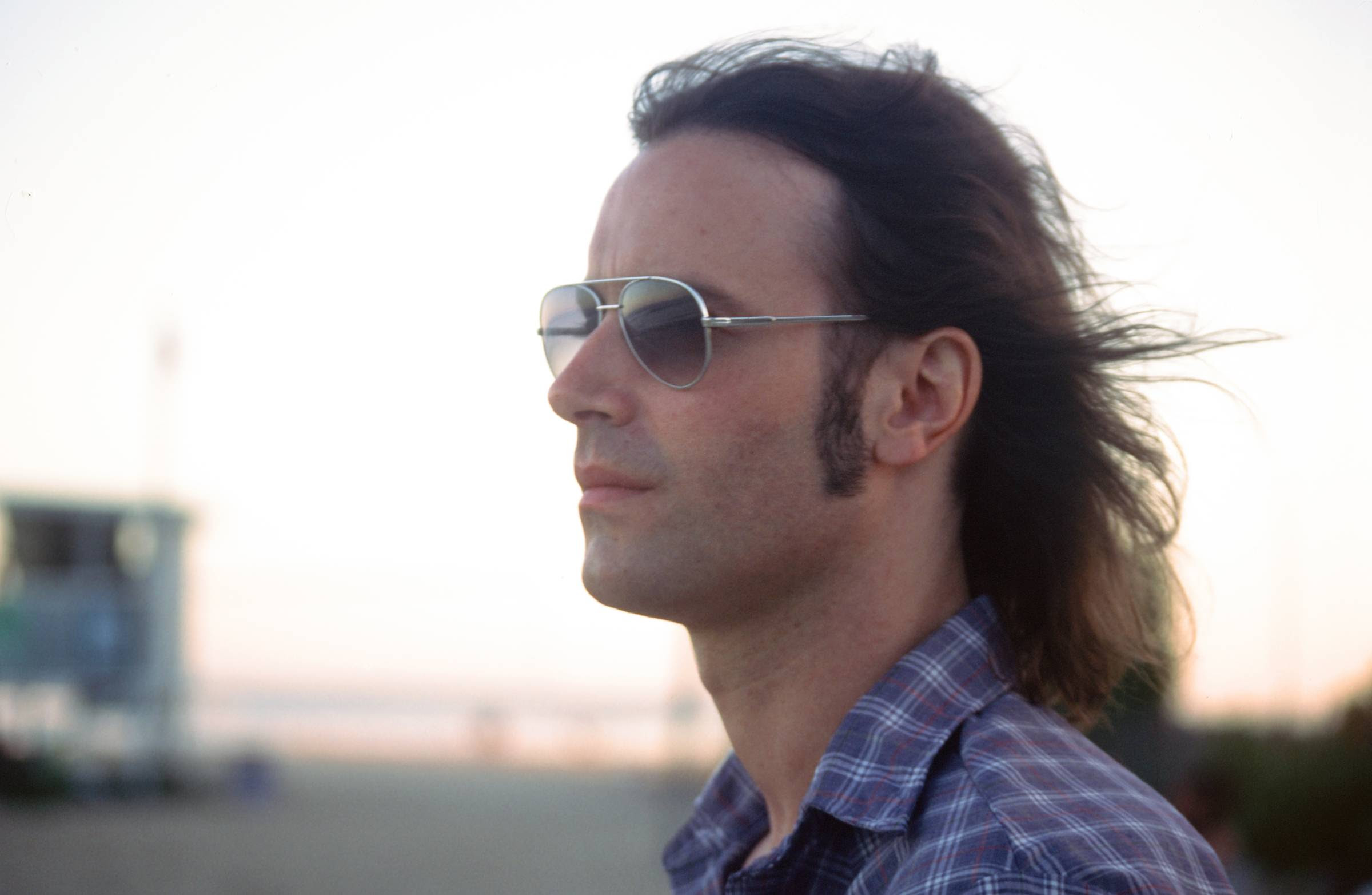
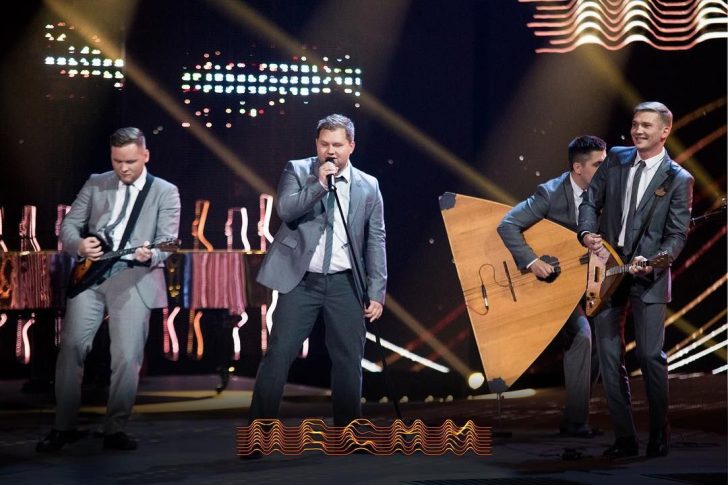
Anton Gerasimenko is more than a musician. He’s a composer, vocalist, and cultural storyteller whose life has followed the quiet rhythm of tradition and transformation. His musical path began in a small town in southern Russia, where he first encountered traditional Slavic instruments as part of the folk ensemble “Bubentsy.” Even as a child, Anton saw music not as something fixed but as a living dialogue, a way to listen to the echoes of the past while shaping the sound of the future.
Anton went much farther than that small town over the years. He participated in vocal contests, was trained as an academic singer at the Gnessin Academy of Music, and sang on the stages in Russia and abroad. More than that, though, what makes the work of Anton is not the desire to be recognized, but the inability to fit into any genre, such as the rock/pop genre or a set of expectations. He mixes up and down without being swept away by the flow and is constantly experimenting, always developing.
LosTradition and Cultural Fusion
His musical project LosTradition made a shot of stylistic mash-up come to life. Both rock riffs and balalaikas, folklore spiced with new soundscapes, Anton does not make any categories. Such songs as NYC and The Last Dance have been heard at several festivals, television programs, and even have reached school programs, being used as examples of how tradition can be reformed, but not forgotten.
A New Home, a Wider Mission
Anton is now located in New York; however, he is still expanding the area of his work. He works with the Indigenous peoples of the Americas and Siberia, composes music in extinct languages, and makes speeches at events at the United Nations. Messages of remembrance and resistance are brought forward in his compositions.
The lullaby, entitled “Tykha Nich”(Quiet Night), is one of his most emotional performances that even made the audiences in Orcas Island in Washington State, cry out of their emotions. Afterward, one of the UN Special Rapporteurs said: I cry because you sing. I want to thank you so much because you brought the spirit of Ukraine to this room.”
What Lies Ahead
Anton is now working on several projects as follows: a choral setting of Tykha Nich, an animated video, a spiritual song cycle, and new material on American patriotic music. Sound in each of the projects is different, but the connection between them is the same: an emotional depth, a wish to communicate between the most different people at the most different distances, languages, and histories. As music continues to evolve, Anton remains rooted in the human voice, even while observing the growing AI role in music. For him, technology is a tool, but emotion and memory are still the message.
Music as Memory and Message
In the work of Anton, classical technique is superimposed on guitar distortion, and the chants of ancient times are interlaced with the sounds of modern harmonies. He does not adhere to the traditions; he remodels them, providing them with a second life. His music is a fiber between the generations and the continents, a fabric of recollection.
Music is not just a form of entertainment to Anton. It is a place where one can hear, recall, and repair. No background, only a discussion. His voice is both sad and powerful, and with the help of it, listeners are informed that in order to expect the future steps forward, we cannot forget about the place where we started.




Comments 0
No Readers' Pick yet.