






Raising Young Music Lovers: How to Introduce Kids to Live Music the Right Way
 Story by:
Music Blog
Story by:
Music Blog
When children are exposed to live music for the first time, things tend not to be as the adults had imagined. Listening quietly and clapping politely is not something that happens very often. What one usually ends up seeing is wide-eyed wonder while watching a guitarist or trying to clap in time with music of varied genres, from the Western vocal to others. It would seem that such instances are the first steps to developing an appreciation of sounds and music as a whole, moving past observing into listening and engaging with music naturally. Hindustani melodies, or Carnatic rhythms.
And then comes the wonderful feeling when the music plays in the room and makes you realise that you cannot feel it the same way when using headphones. The magic of live music is that it cannot be compared to anything else since it is not only listened to but also perceived in its totality. This is especially important for children who need early experience with music, not only to start their acquaintance with it but also to teach them how to perceive it over time. While international music education centres such as Music Pandit use that interest in their educational process, the initial spark always comes before that.
Why Live Music Matters for Children
The nature of live music offers a very unique immersive experience. The music sounds raw, unfiltered, and is shaped by the physical environment and its energy. This provides a unique opportunity to a young mind. A child who listens to music live will be able not only to perceive it with her ears but also to watch the process of its creation. The act of observing musicians making music allows one to get an understanding that cannot be taught in class. It helps a child understand that music is something expressive, human, and unpredictable.
In their research into music and child development, experts often emphasise the importance of real-life experiences for forming a connection with things that children encounter. Live music makes it possible to create such an environment organically, which is especially good for child development. Usually, the process is not even connected with comprehending anything. Its main goal is to feel something special.
Choosing the Right First Experience
It should be noted that not all live music venues are suitable for children who have just started listening to music. Firstly, the excessive number of spectators together with the high volume of the music can easily turn this beautiful experience into something unpleasant. The overly excited child will never enjoy the venue again and will avoid attending any future concerts. What matters most is that we need to introduce him/her to the sounds produced by the musical instruments and other facts related to performing on stage, not to make him/her excited.
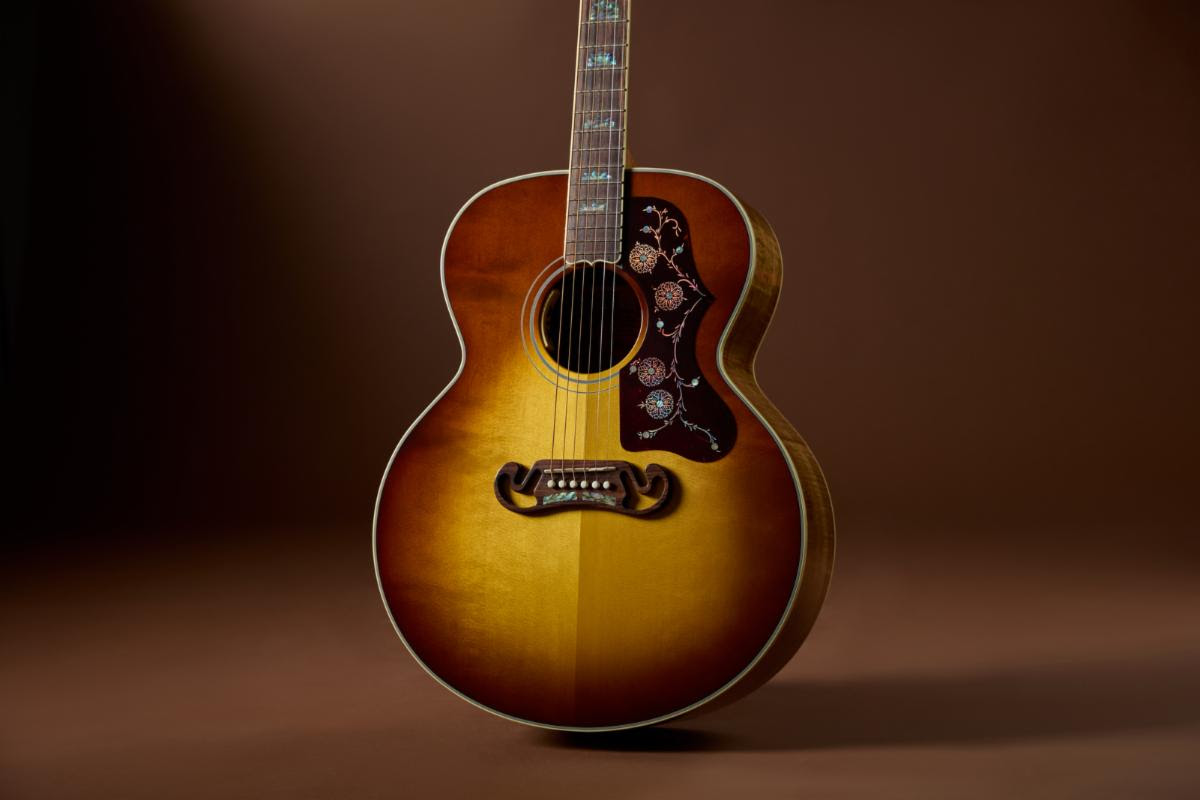
Children have many opportunities to watch and listen to various musical bands during their concerts held in cafes or other places, which makes it possible to gain many interesting experiences related to the process of playing the guitar and teamwork among performers. At the same time, it is necessary to maintain the proper volume of the sounds in order not to harm children’s hearing organs. Gradually increasing the sound volume and reducing the duration of the show helps children become good listeners.
Keeping Kids Engaged in the Moment
Children perceive music differently. Indeed, the response that they are going to have is going to be natural, especially when they experience live music. They can move to the rhythm of the songs. They may get drawn to melodies just for a few seconds, but then go back to whatever else interests them. This is how they perceive and learn all the experiences that happen around them. No amount of discipline is going to be effective, as forcing the kids to sit still and pay attention is not going to make things easier and more enjoyable for them.
Allowing them to act as they like is the better approach. If they clap their hands, dance to the beats, or simply watch, this is how they connect to the performance. Some of the distracting actions they exhibit can be meaningful because the kid needs time to piece everything together from the bits of information obtained from the surrounding environment.
From Experience to Learning
Another critical step follows the above procedure. The point to note here is that children always try to integrate their experiences. Engaging in discussion with the children may assist them in making sense of their experiences. Asking questions such as “Can you tell me the best thing about the event?” or “Do you recall the guitar player?” will provide some reminders to the child to consider his/her experience. This does not involve any educational process per se; rather, this involves getting information.
These insights gained by children help them to appreciate music and, in the end, understand music. The children must be motivated to investigate the areas of the music concert that attract their attention. Once the child displays interest in something he/she observes, it becomes time to move to the next stage. Children via music classes for kids. The key is not to push learning too early, but to follow the child’s interest. When learning grows from curiosity, it feels natural and enjoyable.
Extending the Experience at Home
The music does not have to end just because the activity ends. In fact, most of the time, the music makes its mark after the activity takes place. Children require some time to internalise what they have been exposed to. Once you get them back home, your child’s brain will begin to connect. Listening to the same music will ensure that they become familiar with it. There will eventually be a point where your child will pick up bits and pieces of the music. They may even attempt to mimic the sounds they picked up.
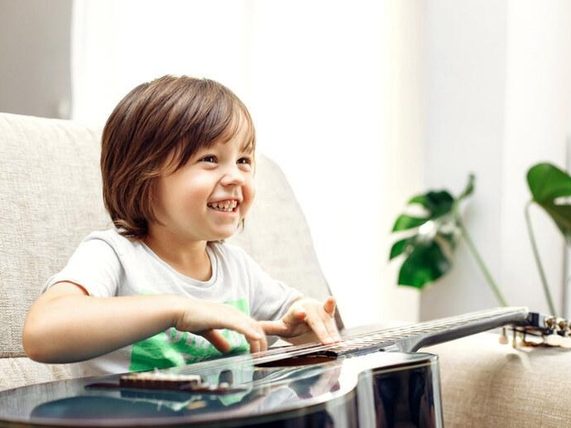
These actions will serve as indicators that your child has made music connections. Nevertheless, there are always other activities you can engage in to boost the learning experience. Perhaps you can expose them to an instrument and teach them how to play it. Alternatively, you could help your child pick up rhythm skills through clapping and tapping. It will not really matter even if it is planned or not. The important thing is to hold their interest.
First Encounters with Live Music
The concept of children’s live music is not confined to mere hearing or viewing but involves a complete experience that includes sound, ambience, and the company of other people. The first experiences need not necessarily be perfect or grandiose but must rather be authentic, natural, and intelligible. Just a small musical act or brief moment of curiosity during an orchestral performance, or perhaps just asking questions as one heads back home, could be enough for him to last in a child’s memory for his entire lifetime. It is not necessary that each child will have to develop their skills in music, but it is important to expose them to music in reality so that he learns about their relationship with the sounds around them. At times, it may happen that just once could be very important.




Comments 0
No Readers' Pick yet.