





Setlists Get Posted Mid-Show, and The Surprise is Harder to keep
 Story by:
Music Blog
Story by:
Music Blog
Setlists have been a secret of the trade since the days of concerts, making each show unique and leaving the fans to guess at all times about what was to be heard next. Now, when a song is played, fans in the crowd will be communicating the set list online before even the last encore is over. The changed experience of live music has transformed the experience of live music by making each performance a real-time, shared conversation between the audience.
Not only do fans have to look forward to the next hit, but they also break down transitions, arrangements, and the smallest of energies that make a tour special, and live shows in this era of instant sharing continue to play a pivotal role in the music culture. It is the move driven by technology and evolving trends that is transforming the experience people have of live music. Even if it is within the premises or in the virtual realm, the element of the unknown is getting washed out with real-time information disseminating at an unprecedented pace. The culture of concerts is changing, and in our very presence, the nature of surprise at live concerts is being redefined.
The Ripple of Instant Sharing Mid-Show
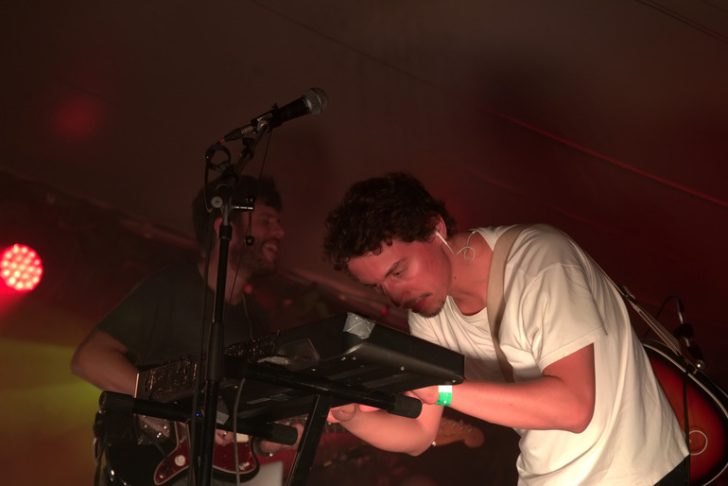
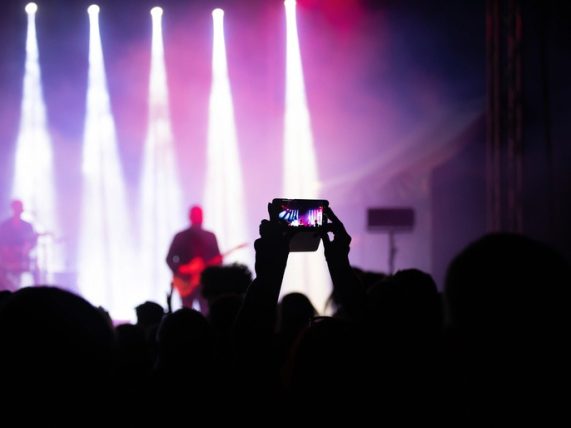
Nowadays, it is a usual sight to observe a crowd of light screens when one peers into a concert hall. Fans are not taking pictures or recording a few seconds of a video; they are posting the set list of the night in real time, and usually before the group has even finished playing. The social feeds and fan group chats also start buzzing as the show is underway, and the line between people within the venue and those watching at home is blurred. To other concert attendees, these instant updates are an exhilaration because they can follow each song live as it is being played and can compare their notes with those of the concertgoers in other concerts, or even catch the drop of a surprise album in real time. Some of them are forced to evade spoilers in an attempt to maintain the element of surprise that used to be a certainty at live events.
The accessibility of exchanging a setlist during a performance changes the overall atmosphere in the room, and some of the attention is diverted from the stage to the scroll. The fans will congregate and verify, even if that rare song has just been played, or guess what will be played next, and alter the manner in which the crowd listens to the night. It is an international trend, as well; as fanning behaviors spread through the music, kliknite ovdje to see how these habits are shaping live shows around the world. Some say these instant updates make the concert feel bigger, stretching the experience beyond the venue, while others feel the spontaneous magic slipping away.
Surprise Replaced: How AI Shapes Setlist Expectations
The other side of that concert energy change is artificial intelligence, which is slowly transforming the expectations of fans at a concert. Artists are increasingly relying on AI to create setlists that resonate with crowds to create the feeling of personalization and predictability. There are more than enough fans who are delighted to know that their favorite songs will be included. Indeed, last year’s statistics indicated that song requests increased by almost a third during tours with algorithm-based setlists. The crowd is pleased by such an approach, but it shows how technology is influencing live music experiences, allowing artists to read the room better and ensuring that the fans are entertained during the performance.
To the musicians and those who love music, it is a glimpse into the future of the concert, where each performance can be a bit more personal, each setlist can be a bit more attuned to the audience, and each surprise at concerts can be even more memorable. However, it is not the case with concertgoers who exist by those never-played-live deep cuts or a wild-card finale. The excitement of not knowing what to expect next, which was the main element of the live show, may diminish when playlists become too predictable.
Other fans are going to the extent of using tools such as setlist predictors or following along with real-time updates to make the night a game of checking off a list rather than being lost in the mystery. Others just follow up on the internet, where they follow which songs are likely to follow. It is a balancing act on the part of artists in this new landscape. It is easy to satisfy the crowd more than it was before, and the ancient magic of surprise is more difficult to keep. Insights from the AI-generated setlists study suggest we’re only at the beginning of this shift, as technology’s influence on live music continues to grow.
From Tickets to Takeaways: Technology’s Wider Impact on Live Shows
As technology’s grip on setlists tightens, its reach sweeps across every corner of the live music experience. The most immediate change is the way we get into shows. Blockchain ticketing is cutting down on scalping and making events fairer for fans who just want to see their favorite artists. According to the Blockchain ticket scalping report, the systems have alleviated scalping by noticeable levels in the previous year itself. But it does not end at the door. Mobile apps have transformed the way fans design their night, even if it is to locate friends at a large event or to order exclusive merch with a touch of a button.
It is easy to arrange meetups, and the entire evening is more connected and interactive. Another game-changer is live streaming. The large tours attract more than a million remote viewers per show, and almost half of them use online shopping to purchase merchandise. It implies that the average concert audience extends well beyond the arena itself, and digital audiences create the atmosphere and even the playlist remotely. To most people, the concert has become a hybrid event. The excitement within the venue is also important, but so is the hype on social networks, and the immediacy of the experience.
There are those fans who will not even raise their eyes off the screens, and there are fans who will take each moment of the concert physically, yet both are part of the new concert narrative. This change is not only concerning the convenience but also concerns the re-definition of what it means to be part of a community of music. Being in an exhibition is no longer physical. The music, the memories, and the moments are now rippling out in real time and are connecting more people in more ways than they had ever before.
Learning to Let the Moment in Again
This has become a new reality, forcing some fans and artists to reconsider their habits during shows. Rather than updating their social feeds, individuals are enabling notifications to be silenced and reminding friends that the setlist should remain confidential until the final encore. Others have begun to make notes by hand, or wait until the lights come on, and hang onto a very temporary illusion of mystery. Maintaining surprise is no longer an unconscious decision, even though technology is compelling.Some even experiment with tools like an AI setlist generator to explore possibilities without spoiling the moment for themselves or others. Regardless of the evolution of technology, the need to preserve that rush of the unexpected does not go away. Nowadays, that rush can be found in the songs we find, those short experiences where a song surprises, alters our mood, or even creates a memory that we had not been aware of. The question now is how to come up with new rituals to keep wonder alive and allow us playlists, albums, and even the shuffle to blow our minds, one song at a time.

Comments 0
No Readers' Pick yet.