




The 10 Different Types of Degrees in Music You Can Earn
Unlock new harmonies: Modern music degrees now blend performance with innovative tech, therapy, and diverse career opportunities far beyond the stage.
 Story by:
Music Blog
Story by:
Music Blog
Wondering what degrees are there for someone who loves all types of music? The short answer is: quite a few, and they come in an organized ladder of study levels. Before diving into the ten different types of degrees in order, students often begin by reading guides, talking to mentors, or visiting services like writepaperforme which can help with the first scary research paper.
In this article, the reader will explore how academic music programs evolve from broad bachelor’s degrees to specialized doctorates. All degree profiles below present major areas of focus, central coursework, and possible career titles within the environment of music. The knowledge will guide you in case you are dreaming of being a teacher, composer, producer, or performer.
Bachelor of Music (BMus) – Performance Focus
The Bachelor of Music, colloquially known as the BMus, is at the bottom of the higher-education scale. This four-year program is designed for students who breathe to play or sing. Admission is typically by audition, due to the need to hear talent before allocating a place. After getting through the enrollment process, students dedicate most of the week to the practice rooms, ensemble rehearsal, and individual lessons. There are common music classes such as music theory, ear training, keyboard skills, and music history.
The heart, however, is performance class, where every semester ends with a juried recital. Graduates leave with polished technique and stage confidence that fits jobs as orchestra members, recording artists, or private teachers. When families ask, “What degrees are there that lead straight to the stage?” the BMus is almost always mentioned first. Many universities now list online music degrees in performance, but live feedback still matters, so hybrid tracks are most common for young artists.
Bachelor of Arts in Music (BA) – Broad and Flexible
While the BMus zooms in on performance, the Bachelor of Arts in Music, or BA, spreads its net wider. Students still practice their instruments, but fewer credit hours are locked into music. That frees up space for electives in business, psychology, foreign languages, or even computer science. Because of this flexibility, the BA suits learners who love different types of music yet also crave a second academic strength. Core classes cover theory, history, and basic conducting, but internships, minors, or double majors help shape an individual career recipe. For example, pairing the BA with marketing can prepare a future concert promoter, while adding coding skills supports soundtrack production.
Many schools place the BA high when listing types of degrees in order of versatility. Fully online music degrees at the BA level are increasingly common, making it easier for working adults to turn passion into a credential without moving across the country.
Bachelor of Science in Music Technology (BS) – Tech Meets Tune
In studios where blinking lights outnumber violins, the Bachelor of Science in Music Technology takes center stage. Students in this degree learn how microphones, software, and circuitry capture and shape sound. Early semesters introduce the physics of acoustics and computer programming, while later years move toward advanced mixing, mastering, and game-audio design. Unlike the BMus recital, senior projects might be a surround-sound installation or an original plug-in.
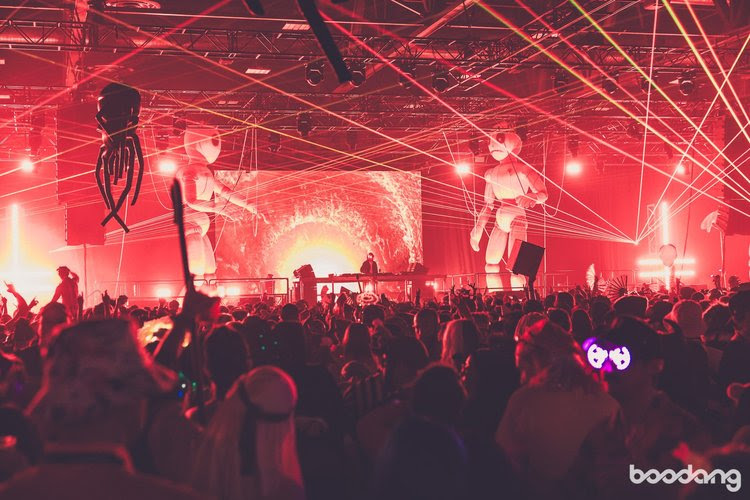
Programs often draw inspiration from real-world productions, with some even exploring the technical setups used in groundbreaking performances, like the De-Evolution Tour, where sound design and live production merged into immersive, genre-defying experiences. This degree equips students not only for studio work but also for the rapidly evolving world of live music tech and digital audio innovation.
Because modern producers dabble in all types of music, the curriculum encourages genre exploration, from hip-hop beats to classical film scores. This degree is also a magnet for math-minded applicants who ask, “What degrees are there that merge STEM with melody?” Schools answer by putting the BS in Music Technology right after the BA when ordering types of degrees. Many campuses now deliver complete virtual studios, so fully online music degrees in production are finally matching the quality of on-site labs, widening access for remote creatives.
Bachelor of Music Education (BME) – Leading the Classroom
Every orchestra, band, and choir in a school starts with a passionate teacher, and that leader often holds a Bachelor of Music Education. The BME blends performance skills with pedagogy, child psychology, and state certification requirements. Students split their time between learning how to conduct ensembles and studying methods for brass, woodwind, string, percussion, and vocal instruction. By junior year they are already visiting public schools to observe rehearsals and plan mini-lessons.
The senior year culminates in a full-time teaching internship plus a recital. Because future educators must guide different types of music, the curriculum covers jazz, classical, and popular styles equally. When mapping types of degrees in order, universities place the BME alongside the BMus, yet its career aim is the classroom. Online music degrees in education are growing, with video observation and virtual reality conducting labs making remote student teaching more realistic than ever before for new maestros.
Bachelor of Fine Arts in Musical Theatre (BFA) – The Triple Threat
Merging song, dance, and drama, the Bachelor of Fine Arts in Musical Theatre is made for students who dream of bright lights and Broadway marquees. Unlike other bachelor paths, the BFA demands equal mastery of voice, acting technique, and movement. Daily schedules begin with a ballet barre, shift to scene study, and end with ensemble rehearsal. Standard music courses, such as theory and keyboard, are trimmed to leave time for stage combat, audition prep, and costume labs.
Because graduates must perform all types of music—from golden-age classics to rock opera riffs—the program mixes stylistic workshops throughout the four years. When advisers list different types of degrees, they flag the BFA as the most performance-heavy of the bunch. Although motion capture and green-screen tools are improving, fully online music degrees in musical theatre remain rare; students still need live feedback on breath support, choreography angles, and the electric energy exchanged with a real audience.
Master of Music (MM) – Advanced Performance and Study
After earning a bachelor’s credential, performers who want deeper artistry often step into a Master of Music program. Lasting two to three years, the MM pushes the technique to professional standards while introducing scholarly research. Students choose concentrations such as instrumental performance, vocal arts, conducting, or composition. Weekly lessons become more intense, and recitals must show graduate-level interpretation rather than recital-hour polish.
Music courses in analysis, history seminars, and pedagogy round out the degree. Because classmates bring varied backgrounds, discussions wander through all types of music, comparing Baroque phrasing one day and avant-garde notation the next. Within the academic ladder, advisers place the MM high when arranging types of degrees in order, just below the doctoral tiers. Fully online music degrees at the master’s level now feature live-streaming lessons, allowing performers to study with celebrated professors across the globe without packing a single suitcase. A rewarding challenge awaits serious artists.
Master of Arts in Musicology (MA) – The Scholar’s Path
Not every music lover seeks the stage. For those drawn to the deeper narratives woven into each note, the Master of Arts in Musicology offers a more scholarly path. This graduate degree emphasizes research, critical writing, and academic presentation, allowing students to explore the cultural, historical, and theoretical frameworks that shape sound.
From medieval manuscripts to modern genres, coursework spans centuries and continents, with tools borrowed from disciplines like anthropology, gender studies, and cultural history. Seminars often include ethnomusicology field methods, source analysis, and interpretive techniques, making this program an enriching choice for those who want to understand music beyond performance.
A thesis of roughly 80 pages crowns the program. Because the MA is less performance-driven, many universities list it alongside other humanities when arranging types of degrees in order. Online music degrees in musicology are quite accessible: digital libraries, streamed concerts, and collaboration platforms let scholars meet virtually with advisers and peers worldwide. Graduates move into museum work, publishing, teaching, or doctoral study, proving that deep listening and precise prose can become a fulfilling career combination for curious minds.
Master of Music Therapy (MMT) – Healing Through Sound
Music can heal those areas that cannot be reached through medicine, and the Master of Music Therapy trains people to facilitate that process. Students who apply to an MMT typically possess a bachelor’s degree in music or psychology and are required to show strong musicianship. The coursework combines neuroscience, counseling, and clinical improvisation.
Practicum hours occur in a hospital, rehabilitation facility, or elderly-care facility, and future therapists learn that rhythm assists motor ability and melody uplifts the mood. Since the clients listen to every single kind of music, trainees train in adapting songs to their individual needs. In looking at the different types of degrees, departments have put the MMT in the allied health field, demonstrating that music is powerful beyond performance.
Combined and completely online music degrees in therapy are on the upward trend; the use of video telehealth meetings and sharing tools through clouds can be used to achieve supervised clinical hours remotely. Graduates obtain board certification when they access a field where empathy, research, and creativity combine to enhance the living standards of a wide range of patients across the world.
Doctor of Musical Arts (DMA) – Performance at Its Peak
The Doctor of Musical Arts represents the summit of practical musicianship. Candidates already possess a master’s degree and professional experience. Over three to five years, they polish repertoire to world-class caliber while also conducting scholarly inquiry. Requirements include advanced recitals, a written document linking performance with research, and often a teaching practicum. Because DMA students frequently hold adjunct posts during their studies, they learn to design music courses and mentor undergraduates.
The program embraces all types of music, encouraging a pianist, for instance, to juxtapose Chopin with contemporary premieres. When departments arrange types of degrees in order, the DMA sits parallel to the PhD, separated mainly by its performance emphasis.
Doctorate-level online music degrees are not yet common, but distance lecture portions and online dissertation defenses are gaining recognition. Graduates find university professorships, ensemble leading postings, recording contracts, and lifelong study results demonstrate that the best results can be achieved in scholastic and artistic excellence.
Doctor of Philosophy in Music (PhD) – Research and Innovation
The Doctor of Philosophy in Music is an extension of knowledge, whereas the DMA refines the performance. PhD students focus on new research and put forward questions to which no one has ever provided answers on composition, analysis, cognition, or history. The program takes four to seven years and consists of coursework, comprehensive exams, and a dissertation that may exceed 250 pages.
During this process, it is not unusual to have candidates present themselves at academic conferences, have scholarly articles published, and/or still be teaching basic courses at the university (essential experiences honing research as well as communication skills). As musicology places upon us the importance of an extensive repertoire, course offerings can cover medieval chants and electronic dance music within the same week, as the coursework in music often cuts across musical periods. Within the academic context, the PhD constitutes the highest degree of research-oriented music education.
An increasing number of institutions provide non-fully online doctoral degree programs in music theory, music education, and allied areas today. These mixed formats enable students to be able to research globally, as well as work with faculty at a distance. Alumni of these programs frequently become leaders in the field of music scholarship, curriculum development, and educational policy-making on an international scale.




Comments 0
No Readers' Pick yet.