






The Olympians Return With ‘In Search of a Revival:’ Bigger, Sharper, and More Cinematic
 Story by:
Chris Guest
Story by:
Chris Guest
A decade between albums can kill a band’s momentum, or it can give an instrumental group the space to come back sharper, bigger, and more sure of itself. The Olympians, led by arranger and multi-instrumentalist Toby Pazner, are back with In Search of a Revival, a 12-track set released via Daptone Records that feels less like a “sophomore album” and more like a full-on follow-up feature. If the group’s self-titled debut, which is celebrating its 10th anniversary in 2026, played like a stylish and memorable proof of concept, this one widens the frame and pushes the action closer to the screen.
From Tape-First Origins to a Bigger Theater

It also lands with a fascinating built-in contrast: the band’s origin story is about as analog and lo-fi as it gets. Daptone recounts how Pazner and a rotating cast of elite New York players were cutting early Olympians material in his Brooklyn bedroom on a Tascam 388 tape machine back in 2008, long before the project came full circle. That DIY, tape-first DNA is part of what made the first album’s universe feel intimately melodic even when the arrangements got grand. Against that backdrop, In Search of a Revival reads like the moment the project finally steps into a bigger theater.
Before The Olympians ever felt like a standalone “project,” Pazner built his career inside the Daptone ecosystem as an in-demand player and arranger with Lee Fields & The Expressions and El Michels Affair, among others. That background matters here, because Revival doesn’t sound like a side quest. It sounds like a bandleader using years of sessions, tours, and arrangements to think in bigger sequences.
Scope vs. Melody: What Revival Gains (and What It Trades Off)
The easiest way to hear the leap is in the album’s sense of scale. The 2016 record had a tight, mythical identity, a collection of snapshots where Pazner’s orchestrations suggested story without insisting on it. Daptone’s own narrative around that album is practically a movie scene in itself, tracing Pazner’s inspiration back to a surreal, Greece-soaked vision that turned into a “Temple of Sound” obsession back in New York.

On In Search of a Revival, the band often sounds like it’s writing scenes in real time, moving through mood shifts with the confidence of a group that knows when to linger, when to cut, and when to reveal a new setting. The trade-off, at least for me, is that the filmic pacing sometimes comes at the expense of the debut’s melodic center of gravity. The atmosphere is strong. The craft is obvious. The themes land. But the first album still has the edge in pure memorability.
Part of that comes down to clarity. Where the debut’s roots and workflow lean strongly analog, Revival feels more precise in the way it separates instruments, stacks voicings, and lets dynamics do the talking. The arrangements still swing for cinematic, but the picture is sharper, and the grooves feel more deliberately constructed. That polish works beautifully when the album leans into noir tension or slow-burn momentum, and it occasionally makes me miss the debut’s slightly blurrier charm, where melody seemed to float up through the tape hiss.
Olympus Bound or Across the Styx?

The album is structured like a journey right out of the gate, opening with “In Search of a Revival Part 1” before pivoting into “Strawberry Kiwi,” one of the record’s most inviting, immediate pieces. From there, Revival starts showing off how wide its world really is. “Hollywood Cold” leans into noir tension, all cool angles and slow-burn drama. Highlight track “Saraswati Puja” swings the doors open to something more psychedelic and otherworldly, a reminder that The Olympians can go cosmic again whenever they feel like it, only now they do it with a more deliberate sense of destination.
And then there are the moments that feel like pure scene-setting. “Here Comes Ben” hits that sweet spot, as it’s the kind of track that could soundtrack a brisk walk through a city where something important is about to happen. “Tall Grass” and “Honey Bea” help round out the album’s back half with the sort of pacing that makes the full listen feel intentional, not just a sequence of strong cuts.
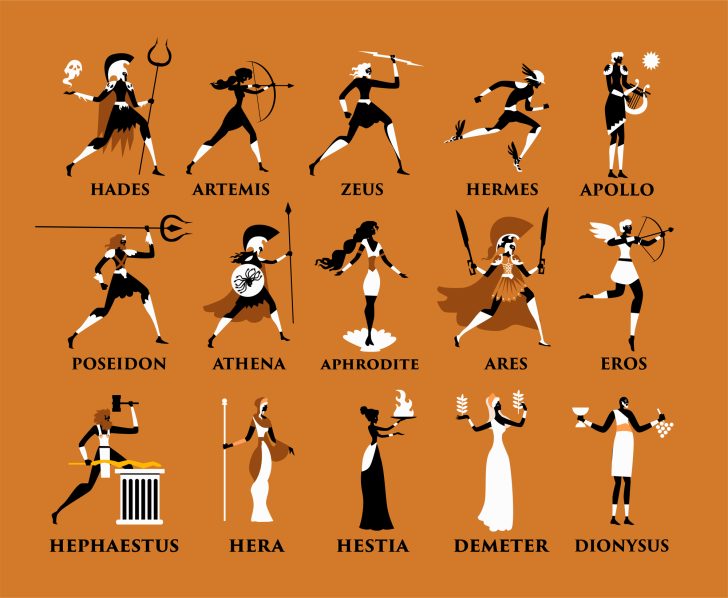
What really separates In Search of a Revival from the first album, though, is that it feels grounded in a different kind of storytelling. The debut’s Greco-Roman and planetary imagery gave it an almost comic-book mythology vibe. This time around, the framing plays more terrestrial and present-tense, and the emotional tone hits closer to home. That doesn’t mean it’s heavy-handed. It’s just different, with the music scoring human stakes more than mythic spectacle.
If you’ve followed Daptone’s orbit, none of this should be surprising. The label has always thrived on flawless groove craftsmanship and ensemble chemistry, and The Olympians have the added advantage of Pazner’s arrangement mastery steering the ship, with a lineup of familiar Daptone-session veterans around him. Still, there’s a real difference between “a band returning after a decade” and “a band returning with a record that justifies the wait.” In Search of a Revival clears that bar with ease, even if it doesn’t always top the debut’s melodic peak.


Comments 0
No Readers' Pick yet.