






Deftones Album Covers Explained: The Stories Behind All 10 Covers
 Story by:
Editorial Dept.
Story by:
Editorial Dept.
Deftones album covers have always matched the band’s strange, heavy, dreamlike sound. Across three decades, the Sacramento band has moved from unsettling photography to minimalist symbols, animals, architecture, and abstraction. The images rarely explain the songs directly, but they give each record its own visual world.
Below are all 10 Deftones studio album covers in release order, with the story behind the artwork, who created it, and the meaning behind each cover.
Who Art Directs Deftones’ Album Covers?
Frank Maddocks has served as Deftones’ primary visual designer since White Pony, handling art direction or design across much of the band’s catalog. His other work includes projects for Linkin Park and Gary Clark Jr.
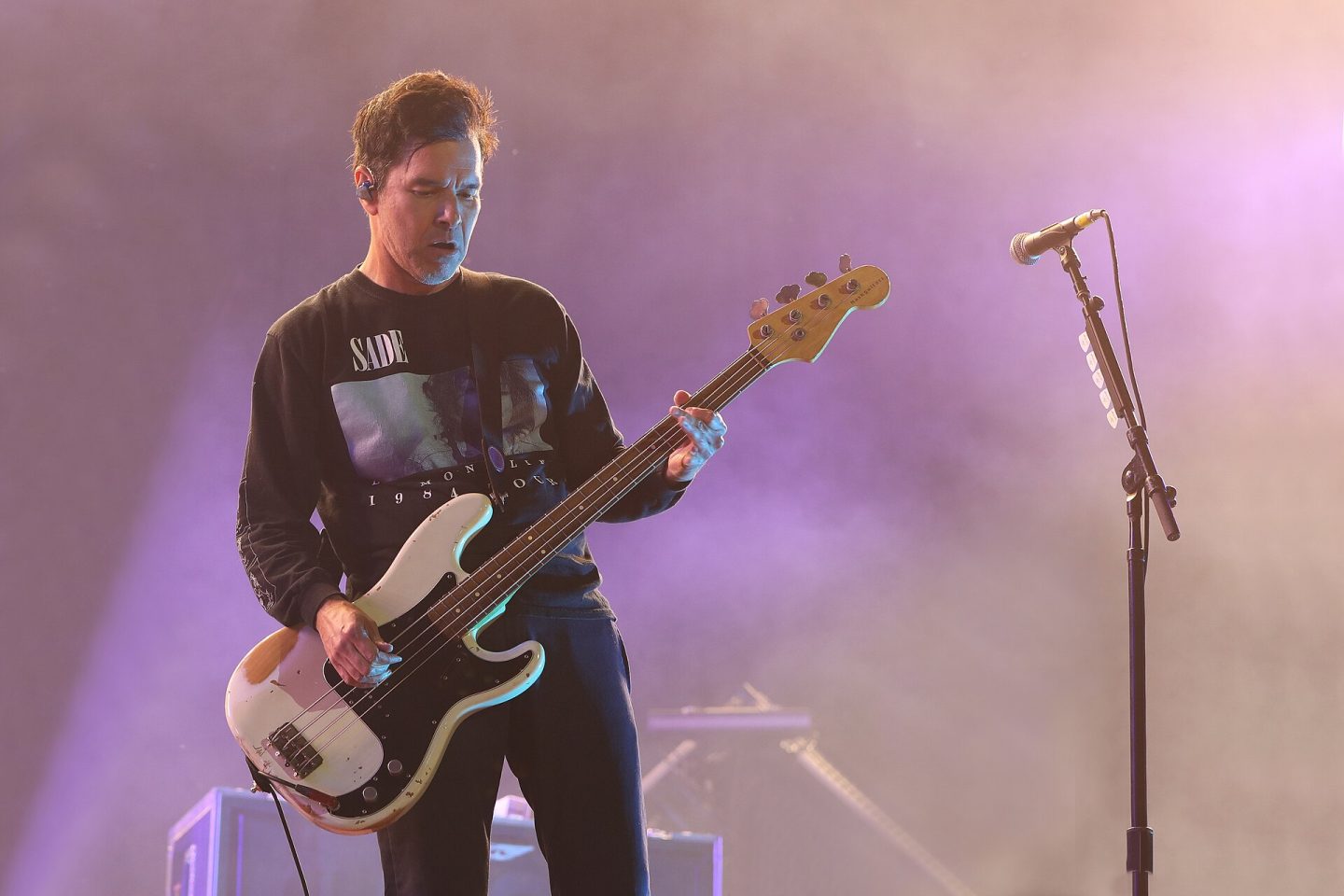
Image Credit: Wikimedia Commons / Fred Gasch
Deftones Album Covers in Release Order
|
Album |
Year |
Cover Image |
Artwork / Photography |
|---|---|---|---|
|
Adrenaline |
1995 |
Pink baby nasal aspirator |
Photography by Victor Bracke; art design by Kim Biggs |
|
Around the Fur |
1997 |
Woman beside a jacuzzi |
Photography by Rick Kosick; art design by Kevin Reagan. |
|
White Pony |
2000 |
Minimal white pony symbol |
Art direction and design by Frank Maddocks |
|
Deftones |
2003 |
Skull surrounded by red and blue roses |
Maddocks |
|
Saturday Night Wrist |
2006 |
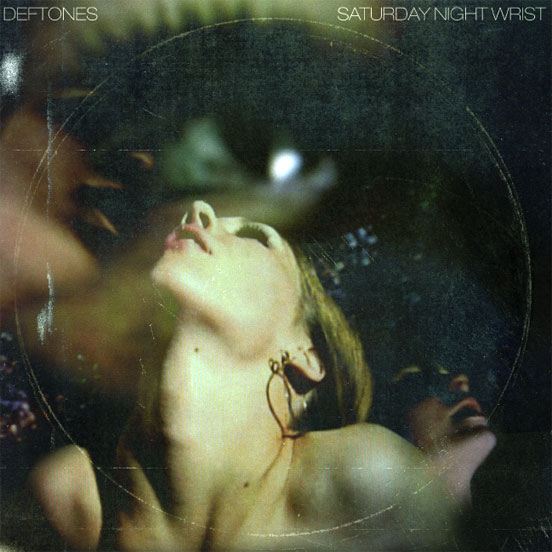
Layered faces and imagery |
Maddocks |
|
Diamond Eyes |
2010 |
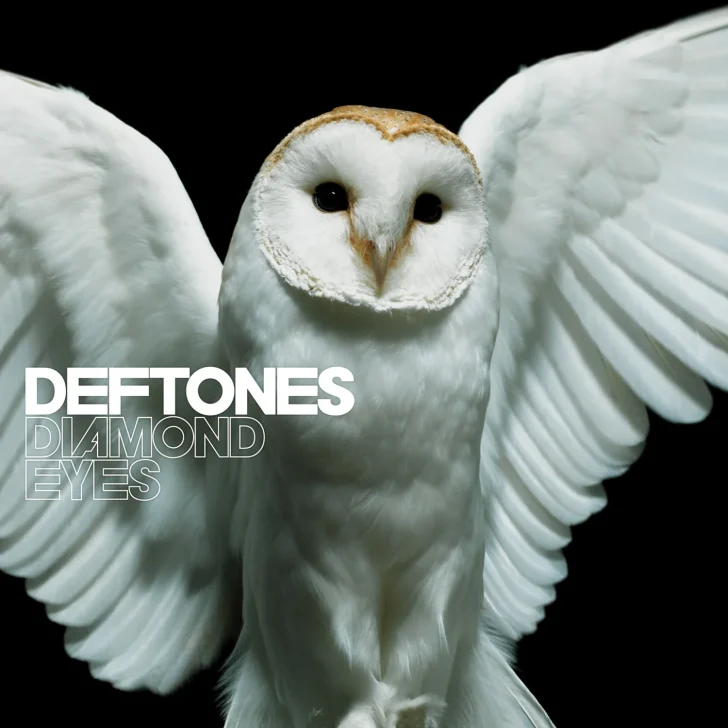
Barn owl with spread wings |
Photography by John Ross; design by Maddocks |
|
Koi No Yokan |
2012 |
Interior of The Opposite House in Beijing |
Photography by Futura; creative direction and design by Maddocks |
|
Gore |
2016 |
Flock of pink flamingos |
Maddocks |
|
Ohms |
2020 |
Eyes formed from 12,995 white dots |
Maddocks |
|
Private Music |
2025 |
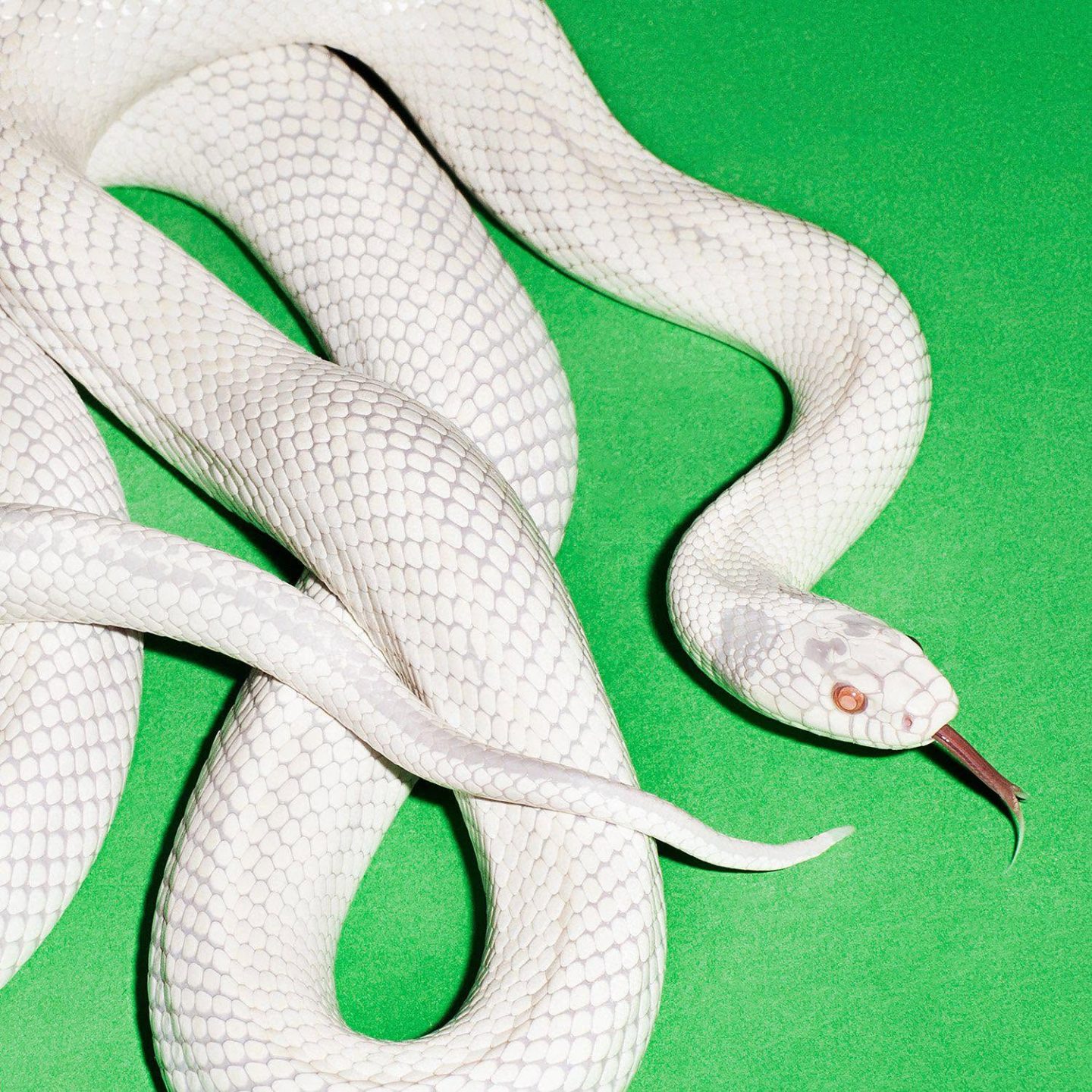
White snake on a green background |
Photography by Kenneth Cappello; design by Maddocks |
1. Adrenaline (1995)
At a glance, the singular pink object on the album cover looks like some kind of modern art sculpture. In reality, it’s a baby nasal aspirator, also known as a bulb syringe. Victor Bracke photographed the cover, with Kim Biggs credited for art direction and design. Chino Moreno later explained that he had recently become a father and was using an aspirator regularly with his newborn son. He suggested the strangely medical-looking object for the cover, helping create one of the more unusual images in Deftones’ catalog.

2. Around the Fur (1997)
This is one of Deftones’ most iconic album covers. The woman’s expression and the camera’s distorted perspective give the cover its uneasy, candid feel. Rick Kosick photographed Lisa Hughes beside the jacuzzi at the band’s rented Seattle condo while Deftones were in the city recording the album. Kosick says he took two photos and didn’t know then that one would become the album cover.

3. White Pony (2000)
White Pony stripped everything back. Moreno has said he found the pony outline as clip art and wanted it to work as a simple, anonymous icon. He later described the white pony as a symbol of the band’s individuality and desire to stay apart from the pack, while Frank Maddocks developed the art direction and design. The image ultimately became one of the defining visual symbols of both the album and Deftones themselves. The album would also appear with multiple cover variants.

4. Deftones (2003)
The self-titled cover is a hard course correction from the minimalism of White Pony. It places a stark white skull over red and blue roses on a black background. Unlike White Pony, it’s dense, gothic, and ornamental. No widely cited official explanation assigns the imagery one fixed meaning, so it works best as mood rather than mythology.

5. Saturday Night Wrist (2006)
Like other forms of entertainment branding, including sites such as Lemon Casino, album artwork can establish a mood before the audience engages with the work itself. For Saturday Night Wrist, Deftones pushed that idea in a hazier, more surreal direction. A woman tilts her head upward amid layered faces, while a massive out-of-focus eye sits in the foreground. Frank Maddocks handled creative direction and design, and the album credits state that the imagery came from the adult film Roxanna. The collage feels sensual, fragmented, and deliberately disorienting. An unused alternate cover was later shared publicly by the group.
6. Diamond Eyes (2010)
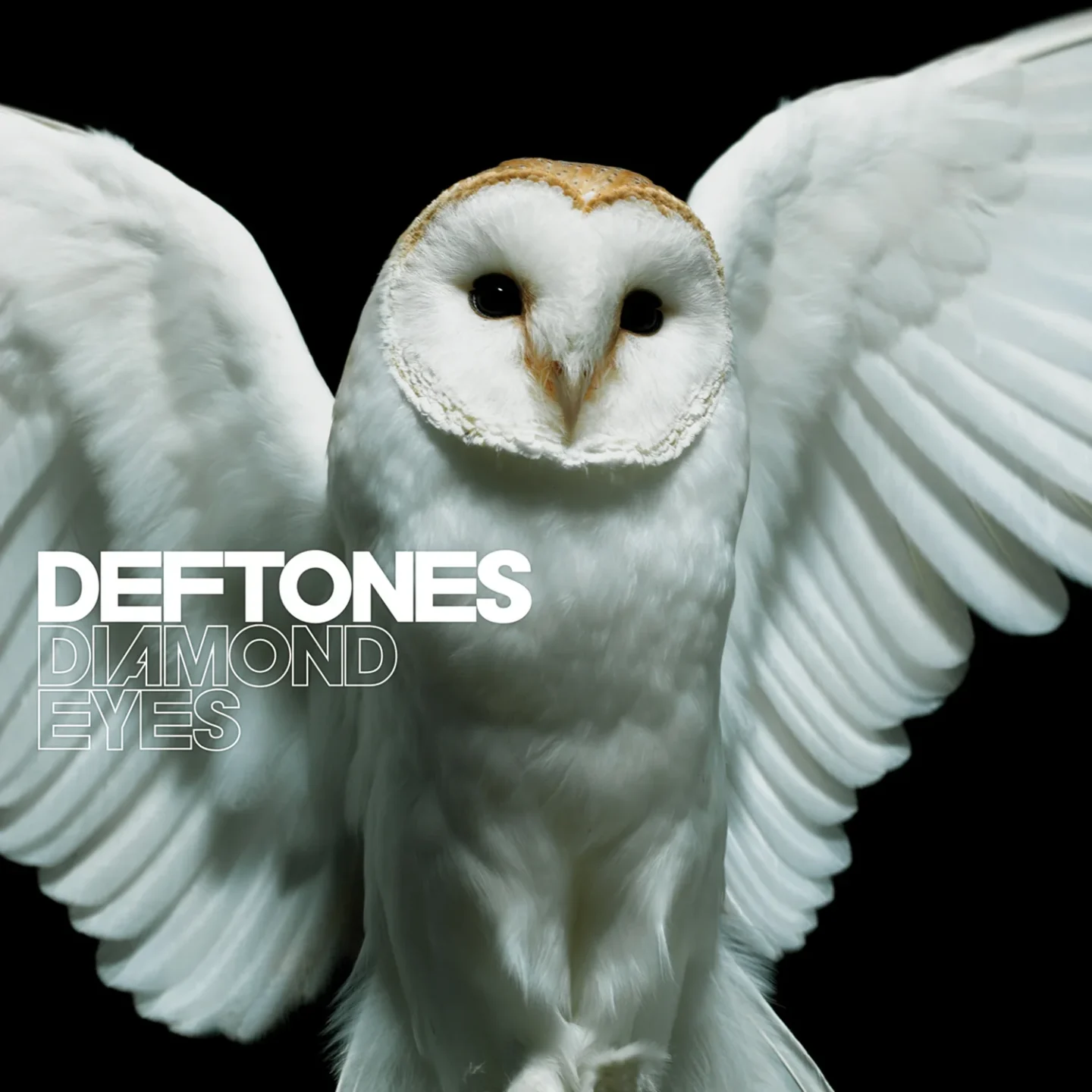
Diamond Eyes centers a barn owl with its wings spread against a black void. John Ross supplied the owl photography, and the realism and stark contrast between black and white make it one of the band’s cleanest covers.
7. Koi No Yokan (2012)
The cover shows The Opposite House in Beijing, designed by architect Kengo Kuma. Futura supplied the photography, capturing a glowing, mirrored interior that feels liminal, distant, and difficult to place.

8. Gore (2016)
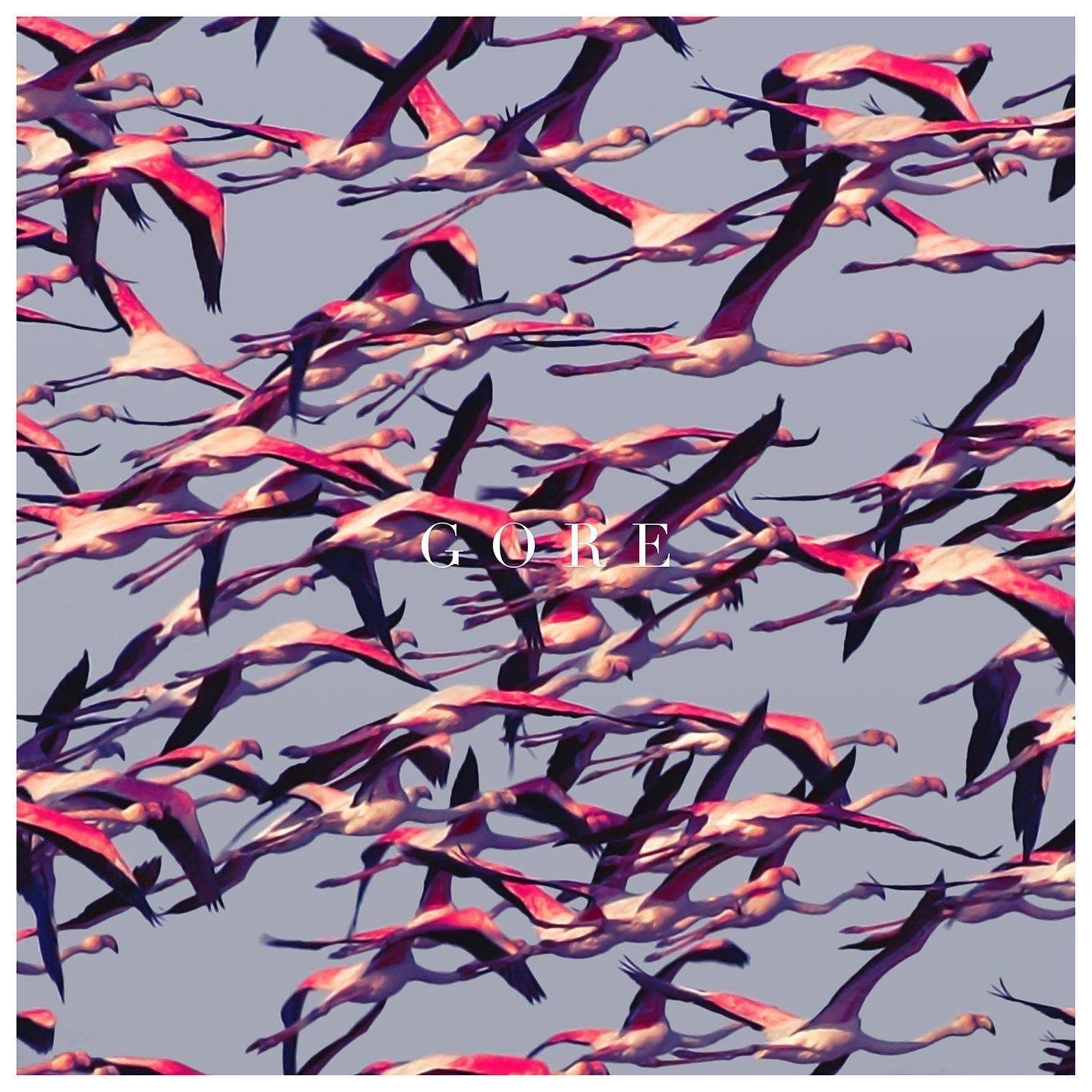
At a quick glance, the cover for Gore looks like abstract art. Upon closer inspection, it shows a massive flock of pink flamingos flying across a pale blue sky. Moreno had wanted to use flamingo imagery as far back as Koi No Yokan, but an earlier photo couldn’t be cleared; he eventually revived the idea for Gore. Maddocks created the album packaging art and photography. The contrast does the work: a title that suggests violence paired with imagery that feels airy, graceful, and delicate.
9. Ohms (2020)
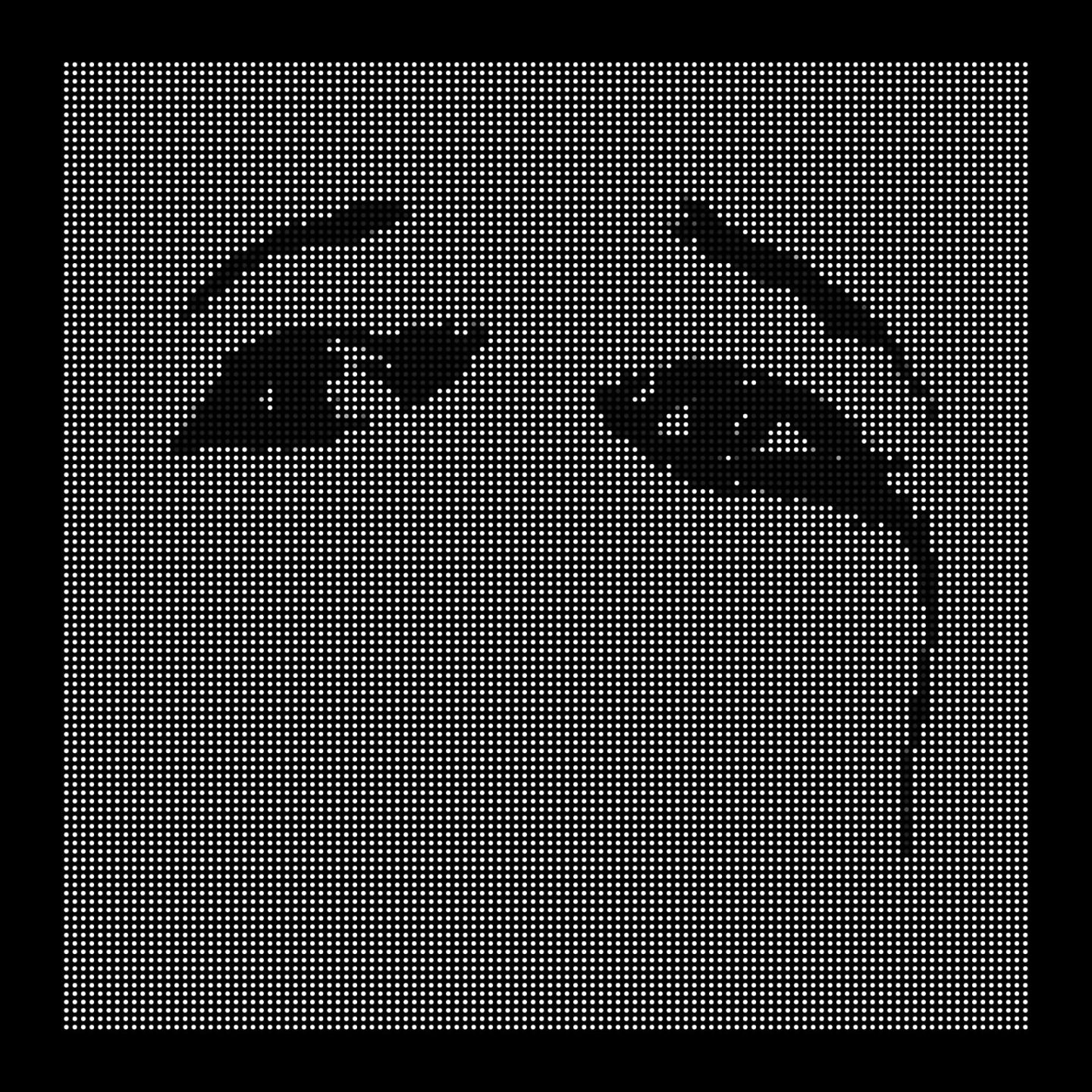
Ohms uses 12,995 white dots to form a pair of eyes on a dark field. Maddocks designed the cover. Fans linked the eyes to late bassist Chi Cheng, but drummer Abe Cunningham later said in an interview that the resemblance was coincidental, so that interpretation should not be presented as intentional. Deftones later turned the 12,995-dot design into an “Adopt a Dot” fundraiser benefiting UC Davis Children’s Hospital and Crew Nation.
10. Private Music (2025)
Deftones’ tenth studio album returns to animal imagery with a white snake against a vivid green background. Kenneth Cappello supplied the original cover photograph, while Maddocks handled creative direction and design. The simplicity recalls White Pony and Diamond Eyes without copying either. Maddocks later said snake imagery had appeared among visual references from the band and that he wanted the final cover built around one bold, memorable image rather than layered effects or filters.
Want to See Deftones Beyond the Album Art?
Deftones’ visual identity is only part of what has kept the band relevant across three decades. Their live presence remains just as strong, including a headlining appearance at Louder Than Life 2025, where they topped a stacked Saturday rock and metal lineup.
Final Take: A Visual History of Deftones
Across 10 albums, there is no single Deftones visual formula. What connects the covers instead is their willingness to leave something unexplained, whether that means an ordinary object photographed strangely, an anonymous symbol, an animal isolated against an empty background, or an image that only becomes recognizable after a closer look. That ambiguity has become as much a part of the band’s visual identity as any recurring style.
Album covers courtesy of Deftones.

Comments 0
No Readers' Pick yet.