






Why Protection for Your Violin Matters More Than You Think
Neglecting violin protection can ruin its sound, value, and lifespan—find out why and how every player needs to step up their care game.
 Story by:
Music Blog
Story by:
Music Blog
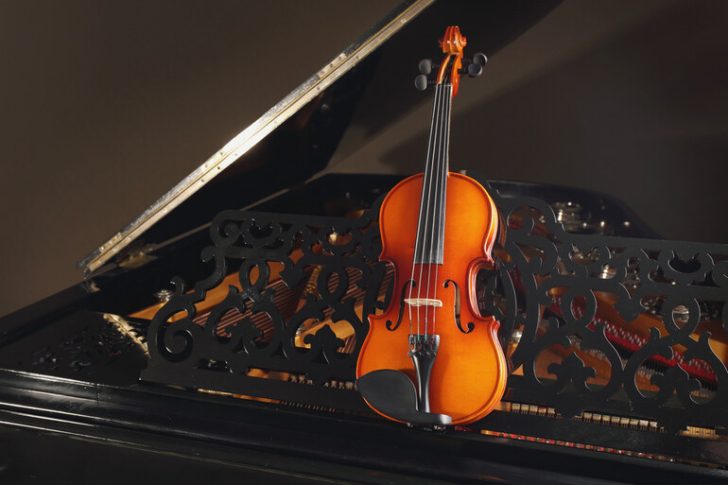
For the violinist, your instrument is more than a tool for you, it’s a part of you, it is your voice extended, a partner in your musical journey. As a seasoned performer or devoted student, you’ve definitely put in many hours and substantial funds for your violin. And, while there is nearly everything to know about owning a pet, many owners miss one key point: the protection of your pet. The basic purpose of protecting your violin is more than just preserving the appearance, but also preserving the sound, value, and service life. Violin protection is more important than you think.
How Proper Protection Makes a Difference
Investing in protective measures for your violin is a small price to pay compared to the cost of repairs or replacement. Here are practical ways to safeguard your instrument:
- A sturdy, well-padded case with a hard exterior is your violin’s first line of defense. Great Violin Cases recommends looking for cases with suspension systems to cushion the instrument against shocks and climate-control features to stabilize humidity.
- Store your violin in a stable environment, ideally at 40-60% humidity and 60-70°F. Consider using in-case humidifiers or dehumidifiers if you live in an area with extreme weather.
- Always clean your violin after playing to remove rosin, sweat, and oils. Use a soft, lint-free cloth and avoid harsh chemicals. When transporting, secure the violin in its case and avoid leaving it in cars or unchecked luggage.
- Insurance is a must for any valuable violin. Policies tailored for musical instruments can cover theft, loss, or damage, giving you peace of mind whether you’re at home or on tour.
- Schedule annual check-ups with a trusted luthier to catch small issues, like open seams or bridge adjustments, before they become major problems.
These steps don’t just protect your violin; they enhance its performance. A well-maintained instrument responds better, sounds richer, and feels more reliable under your fingers.
The Hidden Risks to Your Violin
The violin instruments consist of sensitive wood materials that artisans carefully choose to create the instruments. Your violin’s condition will suffer due to improper care, and this can lead to two major risks affecting both its playing abilities and its monetary value.
- Wood expands and contracts with changes in temperature and humidity. Intense climate variations produce damage like wooden fractures and warping, and seam detachments that damage the sound qualities of the violin, thus necessitating costly maintenance services.
- The violin’s body remains vulnerable to physical damage that occurs when you carry it, since bumps, drops, and traveling impacts can create both aesthetic and acoustic problems.
- Sweat and oils, as well as rosin dust that seeps into wood surfaces from regular use, have the potential to degrade the violin’s varnish and will eventually lead to tone and visual deterioration.
- High-value and portable violins become vulnerable to theft therefore they are attractive targets for thieves. An uninsured instrument would be devastating to lose and would create devastating economic and emotional consequences.
The potential risks violinists encounter on a regular basis turn out to be real dangers that musicians confront every single day. Single problems have the power to transform your valuable possession into either an expensive maintenance cost or permanently unusable waste.
The Consequences of Neglecting Protection
Not protecting your violin from damage could lead to some very negative outcomes. While a damaged sensor will only impact your local capacity to play the instrument, the consequences extend to how it affects your practice, performances, and, on occasion, your career. Repairs for high-end violins can cost hundreds or thousands of dollars, and not all damage is fully reversible. The cracks and warping can permanently change the instrument’s tone, making for a violin that loses its singing quality.
In addition, an unprotected violin suffers in the resale market. Instruments in good or pristine condition are prized items; collectors and musicians don’t give much for an instrument with obviously observed damage or poor maintenance. For someone looking to upgrade, this is an issue when it comes to marketing or trading in their current instrument.
The Emotional and Artistic Value of Protection
Protecting your violin also serves a practical point, but it also holds sentimental and artistic value. A well-cared-for instrument tells about you and how dedicated you are to your craft, while even a small scratch or crack represents negligence on your part. For many violinists, their instrument is a lifelong companion, carrying memories of recitals, rehearsals like this, and personal growth. It respects that connection and ensures its safety for years to come.
Protection Is an Investment in Your Music
The same care and attention you put into your technique should go towards your violin. When you prioritize protection and summation, you are preserving a bit of wood and some strings while protecting your sound, your investment, and above all, your passion. Regardless of whether you have a student model or a master‐crafted violin heirloom, every violin deserves care. Thus, it is time to see how your violin is protected. Little effort today will save you from heartache and ensure your instrument still inspires generations in the future.





Comments 0
No Readers' Pick yet.