





The Science of Why Live Music Feels So Good
Feel the beat: We reveal the scientific secrets behind why live music is more than just a concert—it's an emotional and physical high.
 Story by:
Music Blog
Story by:
Music Blog
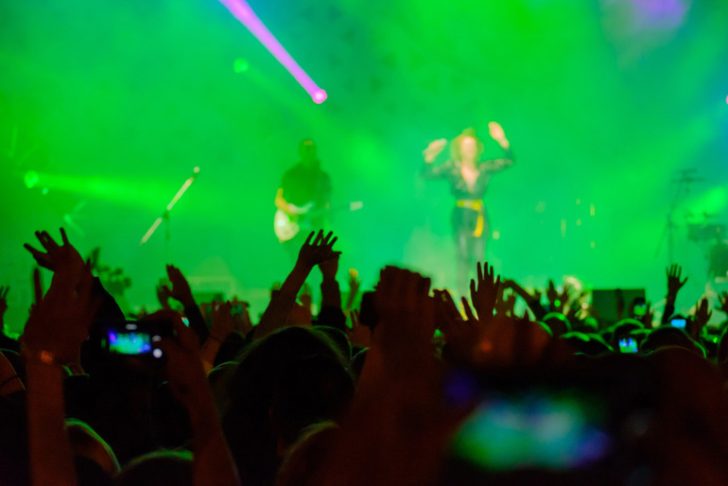
Live music possesses something that recorded music does not have in equal measure of moving us. The feeling and life-changing impact of being in a concert hall with thousands of people in it, as well as in a smaller venue with a smaller crowd, are palpable. What then is it about live music that makes us feel good? To get a sense of why this occurs, it is useful to move into the science of this phenomenon.
The Power of Live Sound
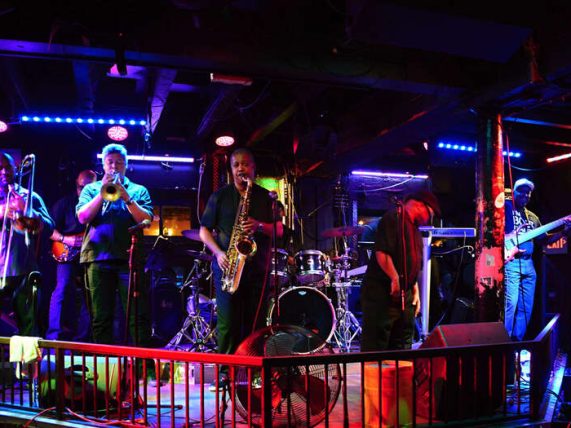
First of all, it is live music, and it is an experience of sound in its native state. Live performances are richer in sound quality because, unlike digital recordings, they cannot be edited and cannot be processed to achieve sound compression. When a musician performs live, the music is perceived not only through speakers; it is echoing through the environment and covering the room, touching every corner of the room. We are made to react to real-time sound and motion. When we are listening to a live performance, we have many intricate sounds being processed by our auditory system. Such a dynamic experience involves various parts of the brain that are not necessarily stimulated by recorded music. Something more basic and immediate goes on in live sound.
Emotional Connection and the Human Element
One of the greatest largely contributed aspects contributing to live music such an influence is the aspect of human element. The intimate relation between the spectator and the player is instantaneous and one of its kind. The live performances are based on improvisations, and they always contain some surprises in the changes of pace, reactions to the audience, and expressing their emotions. This lack of predictability results in a feeling of excitement, albeit similar to that found in being in a group. At a concert, you do not just listen to the music and follow the song; you engage in some sort of relationship with the singer and the people around. This forms a social connection that is very satisfying. The synchronization between the performer’s energy and the crowd’s reaction creates a kind of emotional contagion.
This is called, in psychological terms, emotional entrainment. This community of emotions, whether that may be joyful, excited expectation, or even nostalgia, will increase the meta connection with the music itself, making the experience more satisfying. This relation also touches on the so-called mirror neurons of psychologists, which enable us to share in what others are going through. When you notice a musician being extremely engaged with what they are doing, it invokes your brain to empathize and connect with them on a deeper level with the song. To understand more about how to think and explore such a topic, an essay writing service online should help one with any educational tasks.
The Role of Dopamine and Other Neurochemicals
A live music experience gives rise to a neurochemical cocktail in our brains, and one of the most influential neurochemicals therein is dopamine. Dopamine has commonly been discussed as the feel-good neurotransmitter. It is directly related to pleasure and motivation and plays a prime part in the reward system of the brain. Concerts increase dopamine activity that causes euphoria, pleasure, and contentment. This is one example of how such a biochemical reaction can be thought of as being responsible in part for why people will often declare live performances as uplifting or even transcendent.
Anticipation, excitement, and satisfaction, all of which occur before, during, and after a show,o lead to the release of dopamine, creating an elevated emotional response. In addition, oxytocin and serotonin are other neurochemicals involved. Oxytocin, which is called the bonding hormone, is released during the process of social interaction with other people, and it is extremely powerful in an atmosphere where like-minded individuals share a good experience, such as a concert. This can also be used to understand why audiences would often feel close together in such an environment, even when they have never met.
The Social Aspect of Live Music
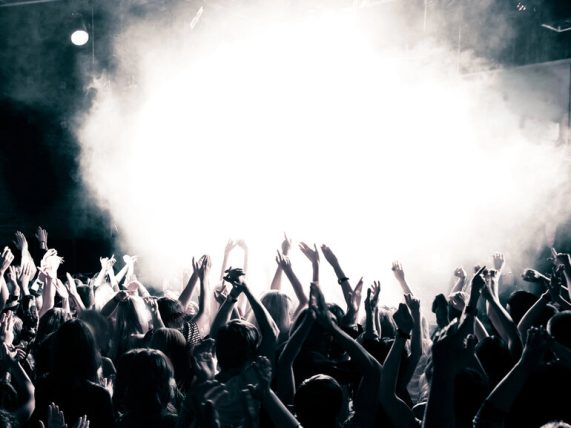
Human beings are social beings, and the social Element of live music cannot be overemphasized. It feels very satisfying to belong to a larger collective in which everybody has some shared interests. Whether a person is clapping, singing along, or dancing with strangers, these common actions make someone feel that they belong and are part of a unit. Social neuroscience analyses have demonstrated that shared social experiences, such as concerts, stimulate the reward systems in the brain, thereby improving the overall fun. In an era where people are communicating more with each other through screens, the comparison between live music and the online entertainment industry on the internet and live music shows just how strong the effects of a human-to-human connection are. It is not only the music that is in this collective experience, but also the feeling of community togetherness.
There is a sense of thanksgiving and enjoyment that is accompanied by these mutual experiences since the brain is conditioned to embrace them as a reward of some sort. Moreover, we perceive the world differently when in a crowd of people than when we are alone. Once, such externally-induced emotional high might be the sheer level and volume of a live performance. That is why concerts can be so euphoric; it is because of the nature of music, the energy of the audience, and the experience of listening and sharing it with others.
The Impact of Movement and Rhythm
The other aspect that makes music joyful is the physicality aspect of the music, whether virtual or live music. Music is not something we listen to, but music is something we feel. When we are at a live concert, the sound waves are bounced through the air, making our bodies resonate. This physical sound is sometimes very immersive, particularly in larger places using speakers with an impressive amount of power, or in open-air concerts. We innately react to rhythm and movement. When music beats through the air, it also promotes our movements to the beats.
This act of rhythmic entrainment, the synchronization of our physical movements with the music, goes to work in areas of the body regarding motor functioning, prompting a neurochemical release of dopamine and other chemicals promoting a feeling of pleasure and connectedness. Waving, imitating, or at least waving is a way of physically touching music, which helps us to develop a multisensory design and is more interesting than only listening to some records. This has been one of the ways the concerts are so thrilling due to the connection between the body and sound.
The Science of Music and Memory
The power of music is also an incredible way of evoking remembrance. Music and individual recollection go so hand in hand that one can easily engage in reminiscent situations on memorable events as a result of listening to a particular tune. To the extent that music is live and therefore has the impression of immediacy to music, it can heighten these memories as well. These experiences are so ingrained through emotions of a live show that it leaves a connection relating certain songs to a crowd and the connection with the artist. Such a process is referred to as musical memory and was widely researched in neuroscience. It is demonstrated that music is something that coordinates areas in the brain that deal with memories, emotion, and identity.
More Than Music
In the end, the science behind why live music experiences feel so good is multifaceted can be as a reaction to the chemical processes occurring in our minds as well as social relations in the mob, but it turns out that live performances have a way of reaching us that recordings cannot. The music, action, and interaction among the people bring about an emotional effect, which is difficult to describe, but it is unanimous to a show. The next time that you are at a concert, please remember you are not merely responding to the music, but biology, psychology, and societal interplay. With new knowledge regarding the brain and its responses to music, it is becoming more evident that live music is more than a form of entertainment. It is an extremely gratifying experience that goes deep into the roots.


Comments 0
No Readers' Pick yet.