

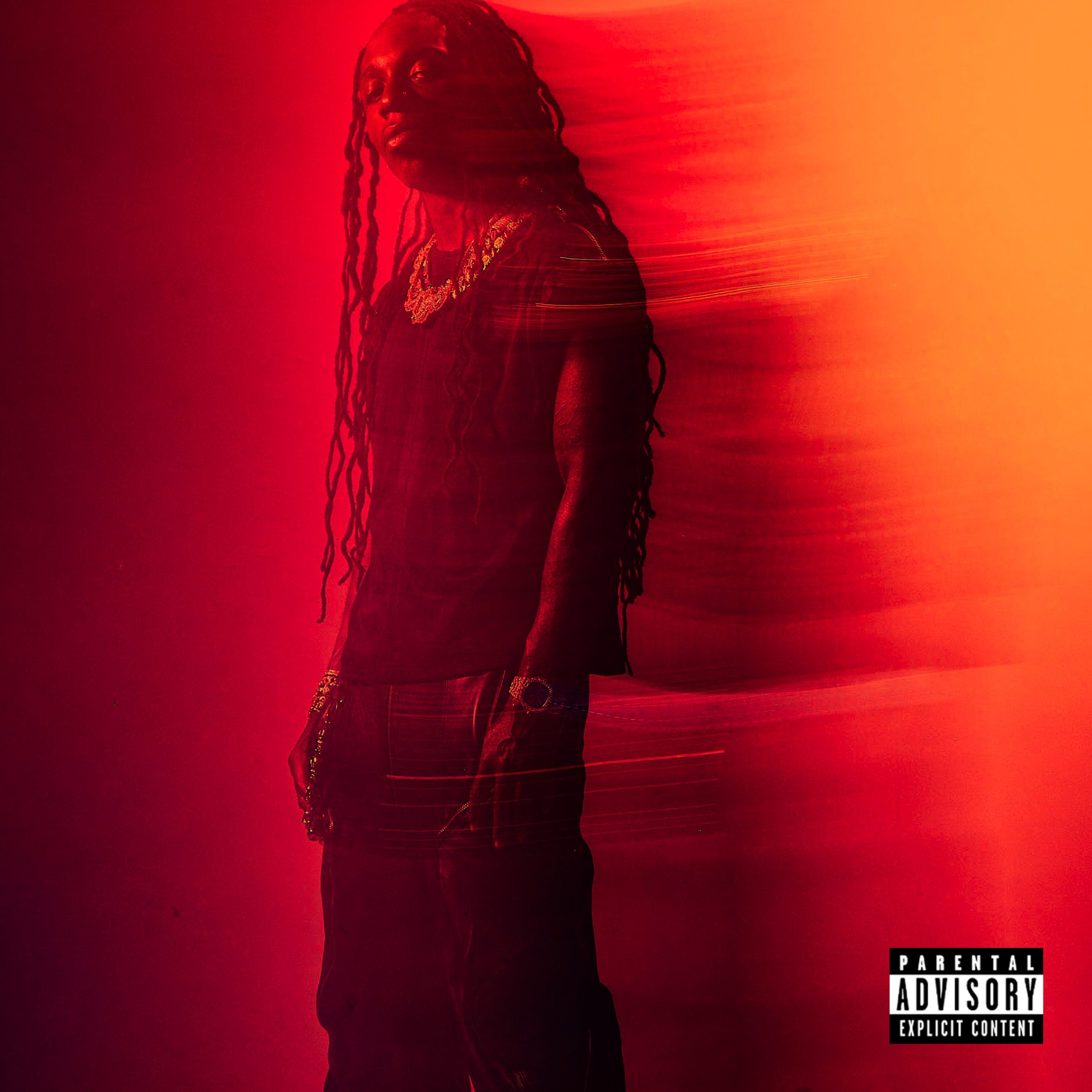






Shine On: The 50 Best Pink Floyd Songs of All Time
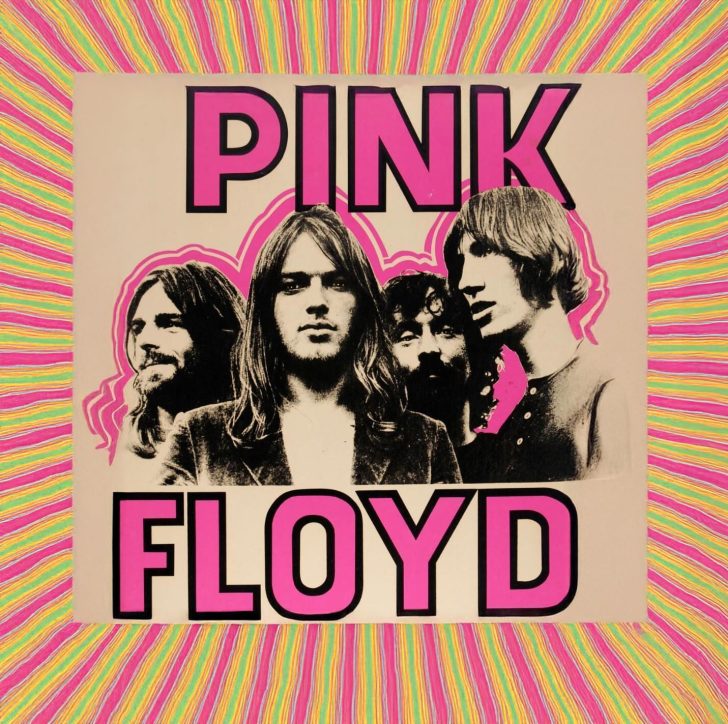
What are the best Pink Floyd songs ever? We rank the 50 most essential tracks—featuring Syd Barrett's kaleidoscopic psychedelia, Roger Waters' legendary ambition, and David Gilmour’s soaring solos—in one definitive list.
 Story by:
Editorial Dept.
Story by:
Editorial Dept.
Ranking Pink Floyd songs is like trying to organize the universe, which makes sense, as they spent much of their career chasing the edges of it. The group was founded in 1965, growing out of London’s underground scene with Syd Barrett and his warped, psychedelic sounds leading the charge. Then legendary axe man Dave Gilmour joined and they grew into something else entirely: the architects behind some of rock’s most ambitious soundscapes. So, when people argue about the best Pink Floyd song, it’s not just a matter of taste. It’s a clash of eras, styles, and moods. This list digs into all of those eras in-depth, cutting through decades of brilliance to spotlight Pink Floyd’s best songs and why they still matter.
The challenge here isn’t finding 50 amazing Pink Floyd songs. The challenge is ordering them in a way that honors both the group’s experimental beginnings and their stadium-filling zenith. We’re talking about a band that could craft a 23-minute instrumental odyssey (“Echoes”) with the same conviction they brought to a three-minute single about a cross-dressing clothes thief (“Arnold Layne”).
These rankings consider everything. Critical consensus matters, even if critics missed the boat on Animals for years, but commercial impact counts just as much. Over a billion Spotify streams for “Another Brick in the Wall, Part 2” simply can’t be ignored. And then there’s that ineffable quality that makes certain Floyd songs stick in your brain like sticky psychedelic honey. We’ve organized them into four tiers, not because any of the songs fall short, but because even brilliance comes in different shades. “Any Colour You Like,” in fact.
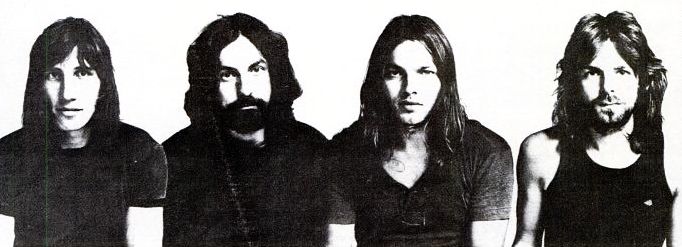
Best of Pink Floyd (Tier 4): The Foundations
Let’s start at the bottom. Though honestly, calling any Pink Floyd song “bottom tier” is like calling the Pacific Ocean a “pretty big pond.” Even their lesser-known tracks have a loyal following, especially among fans drawn to the raw, unpolished energy of the early years, when Roger, Dave and company were still shaping their sound or Syd’s sensational whimsy was taking precedence.
50. “Pow R. Toc H.”
From The Piper at the Gates of Dawn, this instrumental chaos demonstrates early Floyd’s commitment to sonic terrorism. Barrett’s slide guitar battles Wright’s organ while Waters and Mason create what can only be described as “prehistoric electronic music”. Not for the faint of heart, but essential for understanding their experimental DNA.

49. “The Nile Song”
The heaviest track from the More soundtrack proves Pink Floyd could’ve been a killer hard rock band if they’d wanted. This proto-metal stomper features Gilmour’s most aggressive guitar work and Waters actually screaming. File under: “Pink Floyd songs that would make Black Sabbath jealous.”

48. “It’s What We Do”
From The Endless River, this represents Pink Floyd’s final statement as a recording unit. Built primarily from Richard Wright’s keyboard sessions, it’s a fitting tribute to the late keyboardist whose contributions were often overshadowed by the Waters-Gilmour dynamic. The track drifts like smoke from a dying ember, the kind that hangs in the air just long enough to feel final. It sounds exactly like a band taking its last breath.

47. “Cluster One”
Opening The Division Bell with this atmospheric instrumental was a statement: Pink Floyd in the ’90s would still prioritize mood over melody. Wright’s synthesizers create that signature cosmic drift, proving the band could still conjure their classic atmosphere even without Waters stirring the pot.

46. “Skins”
Nick Mason finally gets his spotlight on this percussive journey from The Endless River. For a band celebrated for their guitarists and conceptual mastermind, “Skins” reminds us that Mason’s steady hand guided the mothership through every cosmic storm. It’s jazz influenced, complex, and probably the only Pink Floyd track you could play at a drum clinic.

45. “Things Left Unsaid”
Another piece from the Wright sessions that became The Endless River, this brief instrumental captures late period Floyd’s melancholy perfectly. It’s a conversation in synthesizers, saying everything through inference and atmosphere. The title couldn’t be more apt; after 50 years, what was left to say?

44. “What Do You Want from Me”
The most direct rocker on The Division Bell features Gilmour asking the question every artist faces from their audience. It’s refreshingly straightforward, as there are no 20-minute suites, no sound effects of cash registers, just solid blues-rock with enough Floyd touches to keep it interesting. Sometimes simplicity works the best.

43. “Pigs on the Wing (Parts 1 & 2)”
These bookends to Animals provide the album’s only moments of tenderness. Waters’ acoustic guitar and surprisingly vulnerable lyrics about love create necessary breathing room between the album’s vicious attacks on capitalism. The 8 track version connects both parts with a Snowy White guitar solo, hunt it down if you can.


42. “On the Run”
The most avant-garde piece on The Dark Side of the Moon started as a guitar jam called “The Travel Sequence” before morphing into this synthesizer nightmare. Built on a sequenced EMS Synthi AKS pattern, it’s basically proto-techno created in 1973. Those footsteps and maniacal laughter still sound genuinely unsettling.

41. “Arnold Layne”
Pink Floyd’s debut single introduced the world to their peculiar blend of English whimsy and musical innovation. Written about a real clothes thief who stole women’s underwear from washing lines, it got banned by Radio London for being “too risqué”. The controversy helped it reach #20 on the UK charts. Not bad for a song about a man who enjoys nicking women’s knickers.

40. “See Emily Play”
Their second single and biggest hit of the Barrett era, reaching #6 in the UK. Recorded at Abbey Road with Norman Smith producing, it’s psychedelic pop perfection, catchy enough for the charts but weird enough to maintain credibility. The backwards cymbal effects and Barrett’s detached vocal delivery create an appropriately dreamlike atmosphere.

39. “High Hopes”
The Division Bell‘s most successful track works as both a Gilmour showcase and a meditation on aging. The lyrics reference Cambridge (where Gilmour and Barrett grew up) and lost innocence with a maturity that earlier Floyd might have mocked. That said, the lap steel guitar and orchestral arrangements create genuine emotional weight. Sometimes growing old gracefully beats dying young.

Best of Pink Floyd (Tier 3): The Adventurous
These six tracks represent Pink Floyd at their most experimental, the songs that separate tourists from true believers.
38. “Astronomy Domine”
Opening their debut album with this space rock manifesto was a declaration of intent. Barrett’s echo drenched vocals float over a churning rhythm section while Wright’s organ creates solar wind. Peter Jenner reading coordinates through a megaphone adds to the interstellar atmosphere. Space rock starts here.

37. “Bike”
The closing track from Piper showcases Barrett at his most playfully demented. What starts as a love song offering various gifts (including the titular bicycle) descends into mechanical chaos with a “room full of musical tunes”. The final minute of clockwork sounds and maniacal laughter hints at the madness already creeping in.

36. “One of These Days”
Meddle‘s opening statement features one of the most ominous bass lines in rock history. Waters and Gilmour both play bass, creating that distinctive double tracked throb. Nick Mason’s only lead vocal in Pink Floyd’s catalog, “One of these days I’m going to cut you into little pieces”, is slowed down for maximum terror and is aimed at notable BBC Radio 1 DJ Sir Jimmy Young, who the band reportedly disliked due to being too chatty in his broadcasts. This track also quotes the instantly recognizable theme song from British sci-fi show Doctor Who.

35. “Interstellar Overdrive”
The instrumental centerpiece of Piper runs nearly 10 minutes and essentially invented space rock. Barrett’s descending guitar riff battles against Wright’s organ while the rhythm section creates controlled chaos. Their free form middle section influenced everyone from Hawkwind to Sonic Youth. Live versions could stretch past 20 minutes of pure sonic exploration.

34. “Set the Controls for the Heart of the Sun”
The only Pink Floyd song to feature both Barrett and Gilmour, this hypnotic masterpiece from A Saucerful of Secrets creates maximum atmosphere from minimal ingredients. Waters borrowed the title and lyrics from a Chinese poetry book, while the repetitive structure and Wright’s vibraphone created a genuinely otherworldly atmosphere. Their live performances of this could induce trance states.

33. “Atom Heart Mother Suite”
The 23-minute title track from their 1970 album represents the group’s most ambitious early statement. Co-written with Ron Geesin, it features a full orchestra and choir alongside the band. Critics remain divided, as some call it pretentious and others call it groundbreaking. The truth lies somewhere in between, but you can’t fault their ambition. The fact that they performed it with orchestra and choir at festivals proves their commitment to the concept.

Best of Pink Floyd (Tier 2): The Essentials
Now we’re into the real core of it. These tracks would headline any other band’s greatest hits. But in Floyd’s world, they land just below the surface. They are not the usual picks, but they carry the same weight and the same vision. This is where the best songs by Pink Floyd start to show their depth.
32. “San Tropez”
The jazziest song Pink Floyd ever recorded, this Meddle track features Waters channeling his inner crooner over a Parisian café arrangement. It’s their lightest moment—no existential dread, no cosmic exploration, just a pleasant fantasy about wine and Mediterranean beaches. The shuffling rhythm and Wright’s barroom piano prove they could’ve been a decent jazz combo in another life.

31. “In the Flesh?” / “In the Flesh”
The Wall‘s opening salvo appears twice with different implications. The first version sets up the concert within an album concept; the second reveals Pink’s fascist transformation. That power chord intro still hits like a sledgehammer, while the lyrical shift from “Tell me is something eluding you sunshine?” to “Are there any queers in the theater tonight?” remains genuinely disturbing.


30. “The Thin Ice”
Following The Wall’s explosive opening with this gentle lullaby is classic Floyd—a soft sound masking something darker. Gilmour’s calm, almost soothing vocal hides the warning buried in the lyrics: Don’t be surprised when a crack in the ice appears under your feet. The production leans into that illusion. Those clean, glassy acoustic guitars create comfort on the surface, just before the album pulls you into something far less forgiving.

29. “Run Like Hell”
The Wall‘s most kinetic moment features a drum loop that predates ’80s production techniques. Live performances became something else entirely, staged like authoritarian rallies, complete with towering inflatables and surreal animations that turned the music into a full-blown spectacle. The contrast between the song’s danceable groove and its depiction of mob violence creates typical Floyd unease. Watching Waters perform this during The Wall Live with the full theatrical production was genuinely terrifying.

28. “Nobody Home”
The most intimate song on The Wall strips away all bombast to reveal Pink’s hollow celebrity existence. Waters’ vocal, barely above a whisper, catalogs the detritus of fame, “thirteen channels of shit on the TV to choose from”. Michael Kamen’s orchestral arrangement adds Hollywood melancholy, matching Waters at his most exposed and personal.

27. “Sheep”
Animals‘ closing track transforms Psalm 23 into a revolutionary anthem. The vocoder processed prayer remains one of their most unsettling moments, while Gilmour’s aggressive guitar work matches Waters’ vitriolic lyrics. At 11 minutes, it’s the album’s most direct call to arms, though Waters’ cynicism about the sheep’s revolution proves prophetic.

26. “Any Colour You Like”
The instrumental core of Dark Side shows how locked-in this band really was. Wright’s synths glide around Gilmour’s guitar, while Waters and Mason hold down a groove that never slips. The title comes from a Henry Ford line about the Model T: “you can have any color, as long as it’s black.” It fits. The track folds right into the album’s bigger themes of illusion, control, and the lie of choice.

25. “Learning to Fly”
A Momentary Lapse of Reason‘s biggest hit proved Gilmour-led Floyd could still reach the masses. Inspired by his flying lessons, it leans more literal than the Waters-era material—but it makes up for it with lush production and one of Gilmour’s most soaring solos. The accompanying video, featuring Native American imagery, helped establish their post-Waters visual identity.

24. “Young Lust”
The Wall‘s horniest moment provides comic relief before the album’s darkest turn. Gilmour’s sleazy vocal and power chord attack create Pink Floyd’s closest approximation of straight-ahead rock. The phone call sequence, “This is the United States calling”, sets up Pink’s final descent into madness. Sometimes you need the light to appreciate the dark.

23. “Fearless”
Meddle‘s most underrated track features some of Gilmour’s finest acoustic work and unexpectedly optimistic lyrics. The Liverpool FC crowd singing “You’ll Never Walk Alone” adds communal warmth to a catalog often focused on isolation. It’s become a fan favorite at tribute shows, where audiences supply their own football chants.

22. “Have a Cigar”
The music industry satire from Wish You Were Here features guest vocals from Roy Harper because Waters couldn’t nail the cynical executive tone. The irony of using slick production to attack slick production isn’t lost, while lines like “Which one’s Pink?” became insider shorthand for record company cluelessness.

21. “The Great Gig in the Sky”
Clare Torry’s wordless vocal transforms Wright’s gentle piano piece into Dark Side‘s emotional centerpiece. Paid £30 for the session, Torry improvised a performance that captures death, grief, and acceptance without uttering a single word. She later won a co-writing credit in court. The power of her contribution proves that sometimes the human voice communicates best without language.

20. “Eclipse”
Dark Side’s grand finale runs through everything under the sun, only to end with a quiet truth: everything is eclipsed by the moon. Whether that means madness, mortality, or just being human is left for you to decide. The gospel influenced arrangement and final heartbeat create a perfect album closure. Roger Waters later said he’d change the lyrics now, but that missed opportunity gives it extra poignancy.

19. “Brain Damage”
The penultimate track on Dark Side directly addresses Barrett’s absence with rare emotional directness. “The lunatic is on the grass” references the Cambridge lawns where Barrett wasn’t allowed to walk. Waters confronts his own fears of madness while Wright’s carnival organ creates an appropriately unhinged atmosphere. Lastly, the seamless flow into “Eclipse” creates one of rock’s great one-two punches.

18. “Dogs”
Animals‘ 17-minute centerpiece dissects corporate culture through canine metaphors. Originally known as “You’ve Got to Be Crazy”, it features some of Gilmour’s most inventive guitar work, including the infamous “stone” sequence. The extended instrumental sections never feel indulgent, and every note serves the song’s portrait of ruthless ambition. As relevant today as it was in 1977.

Best of Pink Floyd (Tier 1): The Untouchables
These 17 tracks are Pink Floyd at their absolute peak. Not just the best songs from Pink Floyd, but the kind that pushed rock music forward. Each one carries the weight of the band’s promise, big ideas, emotional depth, and the kind of ambition that only clicks inside a concept album. This is not just a playlist. It is a blueprint.
17. “Another Brick in the Wall, Part 1”
The Wall opens with a clear statement of purpose. The central metaphor lands fast and clean. The stripped-down arrangement keeps the focus where it should be, on Waters’ bitter, pointed lyrics, while Gilmour’s guitar weaves through it all like quiet commentary. It often gets overshadowed by its more famous sequel, but this track sets the emotional tone of the album with ruthless precision.

16. “Goodbye Blue Sky”
One of The Wall‘s most beautiful moments uses pastoral imagery to explore war’s psychological aftermath. The animated sequence in the film, dove transforms into a warplane, remains seared in memory. Gilmour’s acoustic guitars and gentle vocals mask lyrics about environmental destruction and childhood trauma. Classic Floyd bait-and-switch.

15. “Pigs (Three Different Ones)”
The most vicious track on Animals takes direct aim at the establishment, with Waters delivering some of his sharpest, most venomous lyrics. The circular riff pulls you in. The funk-laced rhythm keeps it moving. Then Gilmour’s talk-box guitar cuts through, turning it into one of Pink Floyd’s nastiest grooves. In verse two, Mary Whitehouse, conservative activist and moral crusader, gets torn apart. Safe to say she did not take it as a compliment. Political rock rarely sounds this focused, or this furious

14. “The Trial”
The Wall‘s theatrical climax brings all Pink’s demons together for judgment. Bob Ezrin’s orchestral arrangement and Waters’ multiple character voices push Floyd’s conceptual ambitions to their breaking point. Some find it overwrought; others consider it the album’s emotional catharsis. The truth is it’s both, gloriously, ridiculously both. “This will not do…”

13. “Mother”
The Wall‘s most psychologically complex song explores maternal overprotection with uncomfortable honesty. Waters’ multitracked vocals create conversation between Pink and his mother, while Gilmour’s delicate guitar work provides the only comfort in this Oedipal nightmare. The 5/4 time signature keeps listeners appropriately off-balance. Therapy in song form.
12. “Welcome to the Machine”
Wish You Were Here‘s mechanized nightmare uses synthesizers to create genuine dread. Waters’ lyrics about music industry dehumanization gain extra weight from the cold, processed sound. The extended intro builds tension like the top-ranked horror films, while the robotic rhythms predict industrial music by a decade. Still sounds like the future eating the past.

11. “Shine On You Crazy Diamond (Parts VI–IX)”
The concluding half of Floyd’s Barrett tribute maintains the original’s emotional weight while adding jazz fusion elements. Wright’s synthesizer work reaches new heights of expressiveness, while Gilmour’s guitar provides the eulogy Barrett deserved. The sax solo by Dick Parry adds unexpected soul to this cosmic funeral.

10. “Speak to Me/Breathe”
Dark Side‘s opening creates one of rock’s great introductions. The heartbeat, cash registers, and maniacal laughter establish the album’s sonic palette before “Breathe” provides the first proper song. The slide guitars and Wright’s organ set the mood in seconds. In addition, “Breathe, breathe in the air / Don’t be afraid to care” might be the most human thing Waters ever wrote.


9. “Hey You”
The Wall‘s desperate cry for human connection strips away all artifice. Starting with just acoustic guitar and Waters’ vulnerable vocal, it builds to Gilmour’s most emotionally raw solo. The song’s placement, Pink’s last attempt to break through his wall, gives it extra weight. That final “Together we stand, divided we fall” hits differently in our fractured times.

8. “Us and Them”
Wright’s masterpiece on Dark Side uses jazz chords and spatial production to explore conflict and division. The saxophone by Dick Parry adds warmth to lyrics about war and class struggle. Those dynamic shifts from whisper-quiet verses to soaring choruses showcase Floyd’s mastery of tension and release. Possibly their most sophisticated composition.

7. “Echoes”
Taking up all of side two of Meddle, this 23-minute odyssey represents Floyd’s successful fusion of experimentation and accessibility. Starting with Wright’s sonar ping, it journeys through funk workouts, ambient passages, and melodic peaks without losing coherence. The whale song section pushes boundaries while the “strangers passing in the street” finale provides emotional resolution. Their finest extended piece.

6. “Another Brick in the Wall, Part 2”
Floyd’s only #1 hit succeeds despite everything Waters supposedly hated about commercial music. The disco beat (Ezrin’s idea), children’s choir, and anthemic hook created an unlikely protest anthem adopted by students worldwide. Watching 35,000 people sing along to “we don’t need no education” at concerts has proved this track’s enduring power. Sometimes the masses get it right.

5. “Money”
Pink Floyd’s biggest hit in the U.S. (at the time) proved that prog rock could swing. That 7/4 time signature should be awkward, but the cash register loop makes it feel natural. Gilmour’s guitar solo remains a masterclass in building tension, while Waters’ lyrics gain irony from the song’s massive success. Complex music that sounds effortless, the Floyd formula perfected.

4. “Time”
No Floyd song has aged better than this meditation on mortality. Those alarm clocks still jolt listeners awake before Gilmour and Wright’s shared vocals deliver hard truths about wasted life. The guitar solo ranks among his finest, while Wright’s rotating speaker creates that distinctive wobble. “Hanging on in quiet desperation is the English way” might be rock’s most quotable line about middle-age ennui.

3. “Shine On You Crazy Diamond (Parts I–V)”
The opening tribute to Barrett builds for nine minutes before the first vocal hits, though Gilmour’s iconic four-note guitar motif contains more emotion than most bands manage in their entire careers. When Waters finally sings “Remember when you were young,” it’s devastating and powerful. The fact that Barrett showed up at Abbey Road during the recording of this song, unrecognizable to his former bandmates, adds unbearable poignancy.

2. “Comfortably Numb”
The guitar solo that launched a thousand bedroom guitarists. Born from the tension between Waters’ verses about dissociation and Gilmour’s soaring chorus, it’s Floyd’s most successful collaboration and their most bitter fight. The song’s two solos, each in a different key and with entirely different vibes, transcend technique to achieve pure sonic emotion. Producer Bob Ezrin called it “biblically perfect.” No arguments here.

1. “Wish You Were Here”
The unanimous choice. This acoustic masterpiece about absence achieves what great art should: it makes the personal universal. Written for Barrett but speaking to anyone who’s lost someone, it combines Floyd’s experimental touches (that opening radio effect) with their most direct emotional statement. No pretension, no concept, just pure human longing. “We’re just two lost souls swimming in a fishbowl” captures the human condition in eleven words.
What Pink Floyd did better than anyone was make the cosmic feel personal and the personal feel cosmic. These 50 songs are more than a greatest hits list. They trace a band constantly evolving, and a genre stretching until it breaks into something new. From Barrett’s playful psychedelia to Waters’ sweeping concepts to Gilmour’s soaring guitar work, Floyd’s discography still sounds like the future showing up early.

Why These Pink Floyd Songs Still Matter
The music of Pink Floyd is just a click away now. But knowing which tracks actually deserve your time? That still matters. This ranking tracks the full arc of their evolution. It starts with Syd Barrett’s psychedelic chaos, moves through Roger Waters’ concept-heavy ambitions, and lands with David Gilmour’s soaring, emotional guitar work in the 80s and 90s. It gives new listeners everything they need to understand why Animals vs. The Wall is still an argument worth having at 3 a.m.
Whether you’re hearing “Echoes” for the first time or you’ve already worn out three copies of Dark Side of the Moon, these 50 songs show what happens when rock music dares to aim high. From the raw punch of “The Nile Song” to the quiet ache of “Wish You Were Here,” Pink Floyd proved progressive rock could challenge your head and still hit your heart.
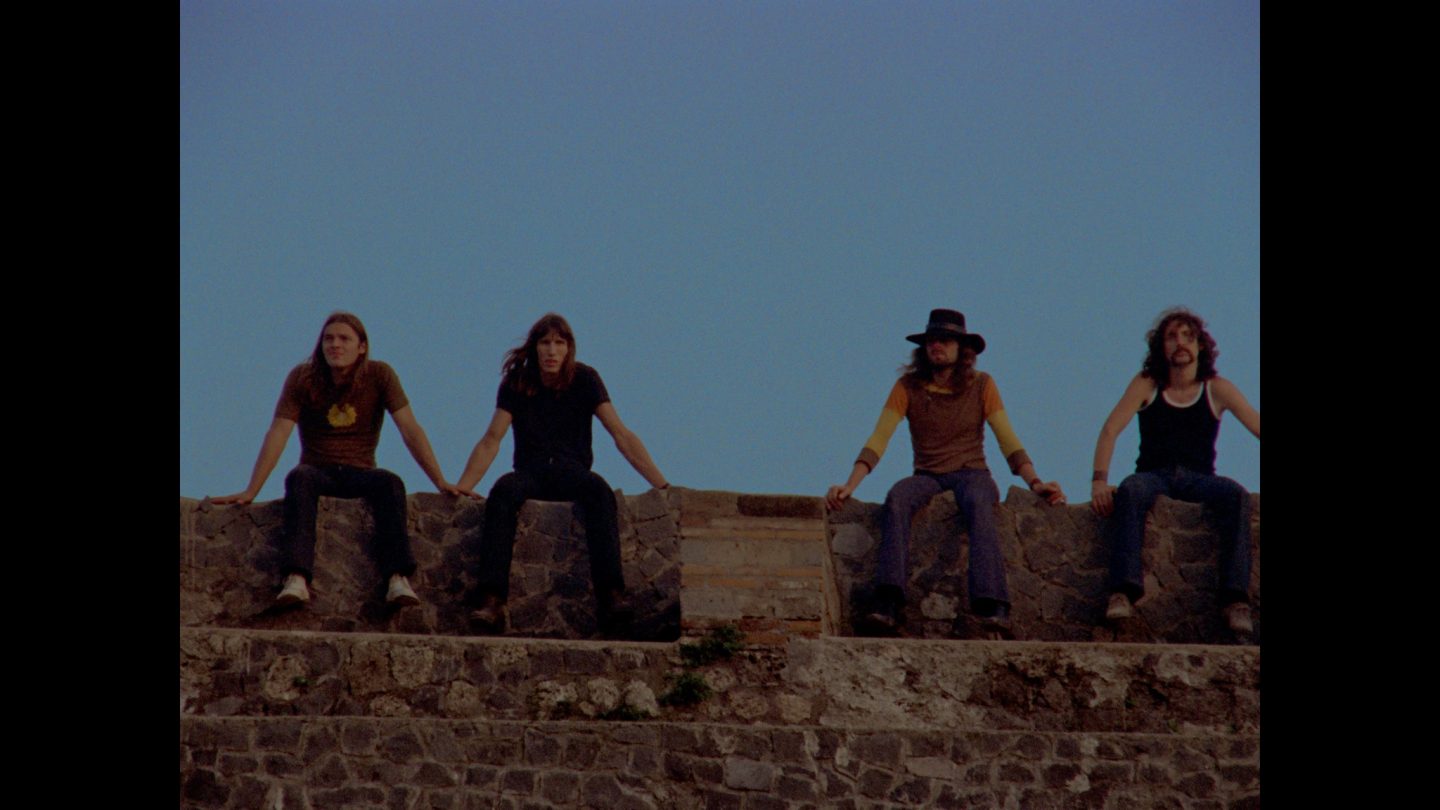
The beauty of their catalog is how it adapts to the moment. Put on Dark Side with good headphones (or alongside a viewing of The Wizard of Oz) and you’re suddenly inside the music—cash registers clanking in “Money”, voices swirling, everything alive. Watch The Wall film, and “Goodbye Blue Sky” hits harder, darker, sharper. See a tribute band lock into “Comfortably Numb” and everything just clicks. This is why people still get chills when that solo kicks in.
Every generation finds Pink Floyd differently. Maybe it was classic rock radio spinning “Another Brick in the Wall, Part 2” once every hour. Maybe it was an older sibling’s scratched-up vinyl of Wish You Were Here. Maybe it was hearing “Us and Them” at the exact moment those lyrics stopped sounding like poetry and started sounding like a warning. Or maybe “Time” hit you when you least expected it, right when the line about being “shorter of breath and one day closer to death” got a little too real.
Here’s the thing about great music: it finds you when you need it. But in the modern streaming industry, artists need a little push for their music. These 50 songs have been finding people for over 50 years now, and they’re not done yet. With world-class musicianship, immense ambition and sheer force of will, Pink Floyd built something that lasts. Song by song, album by album, they created a body of work that still sounds like the future we were supposed to have.
Now, if you’ll excuse us, we need to go listen to both parts of “Shine On You Crazy Diamond” again. Those 26 minutes aren’t going to fly by themselves.


No even one obscured by the clouds song? That doesn’t correct.
Lol the one of these days entry is wildly inaccurate…the dialogue is supposed to be addressed at some radio person they didn’t like & sometimes directly referenced in live shows, it has nothing to do with Doctor Who (and i suspect whoever wrote this doesn’t really know what the show is about). The reference to Doctor Who is a quotation of its famous theme probably inspired by the band visiting the BBC Radiophonic Workshop and the fact that the effect on Nick Mason’s voice is made by using the same thing used on Doctor Who for the Daleks. Also this isn’t the first or the last time Gilmour would invoke the Doctor Who theme, it’s also in Cymbaline for example.
Also while Learning to Fly is obviously inspired by very literal events (worth noting here that Nick Mason was also taking flying lessons, hence why the flight recording stuff in the middle is him) it very clearly has a metaphorical meaning as well.
Hi Sofia,
Editor of LMB here. Thanks for your comment.
You are indeed correct, and the blurb has been fixed thanks to your input.
Cheers,