




Music + Community: How Local Bands, Events, and Bartenders Fuel Neighbourhood Culture
 Story by:
Music Blog
Story by:
Music Blog
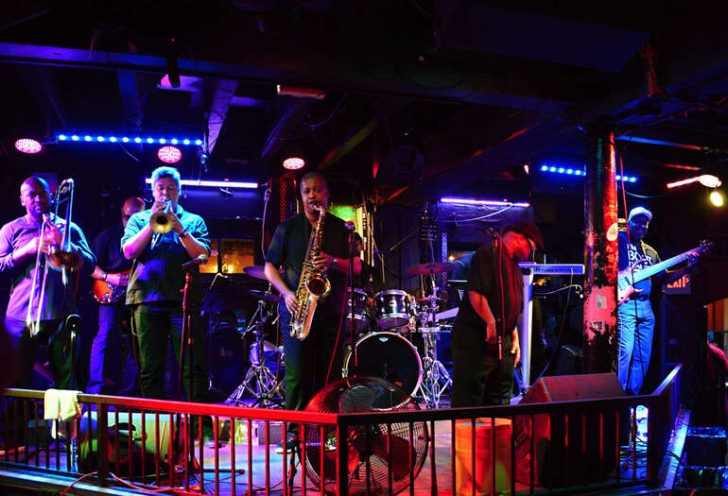
It almost pulls you down the street in one of the busier neighbourhoods on a Friday night, and you can feel it immediately, the low buzz of amps warming up, the voices you know conversing over each other, the glasses as they clink against the bar, and that certainty that something good is going to happen. Although big cities may receive the attention in terms of art and culture, it is these smaller neighbourhood enclaves formed through the influence of the local venues, local musicians, and attentive bartenders that keep the culture alive and provide it with its colour.
The fact that music is incorporated as a part and parcel of the daily life of the community makes it so significant in local scenes. A live set turns out to be the background of renewing with friends, finding a new artist, or even relaxing after a hard week. In such close quarters, music is not remote or ready to be showcased but here and now, and it is embedded in the rhythm of the neighbourhood itself, serving communities in defining themselves and their beliefs.
The Power of Local Bands in Shaping Identity
Each community has its own genres that are indicative of the energy and the identity of the community. College towns tend to indie rock and experimental, coastal cities tend to the reggae and surf rock, and thick metropolitan neighbourhoods throb with hip-hop, R and B, punk, and hybrid styles. However, it is not only genre preferences that the local bands make a contribution to neighbourhood culture:
- They tell local stories: Lyrics aren’t always about global issues; often they reflect shared life: growing up here, leaving and returning, or dreaming of something bigger.
- They showcase diversity: Musicians come from different backgrounds, generations, and skill levels, yet share the same stage.
- They create a sense of ownership: Fans don’t just listen; they support, promote, and follow shows like extended family.
A local band breaking out, even if just to regional recognition, can give neighborhoods a new sense of pride. Think of how Seattle embraced grunge, Atlanta shaped hip-hop, or Austin championed indie and folk rock. Scene-building isn’t just cultural, it’s economic, social, and emotional.
Events as Cultural Anchors
The culture in the neighbourhood is based on routines, such as open mic Tuesdays, jazz Thursdays, punk weekends, seasonal block parties, and summer park concerts. These repetitive events give neighbourhoods a shared rhythm, transforming ordinary spaces into meeting places as familiar soundtracks quietly shape daily life. Over time, these gatherings become anchors by custom, forming traditions that people plan around, anticipate, and associate with a lasting sense of belonging.
Events fuel the community by:
- Encouraging participation. It is not necessary to be a musician to participate in the scene; appearing, listening, and applauding contribute to maintaining the creative space.
- Blending demographics. The teens, their parents, artists, newcomers, and retirees find themselves in the same room together due to the live experience, which temporarily breaks the social barriers.
- Enhancing the local economies. One full-house event can increase the money collected by the venue, bar, and food trucks, as well as ride-share drivers, which causes a ripple effect that feeds the ecosystem in the entire neighbourhood
Block festivals are particularly effective since they bring experience outdoors. There are noises in the streets, booths are established by small businesses, children are dancing, and older guests are exchanging memories of how the neighbourhood has evolved. Culture is not lurking behind structures in these times, but is visible, collective, and even embedded in the very fabric of the neighbourhood.
Bartenders: The Social Glue You Don’t Notice at First
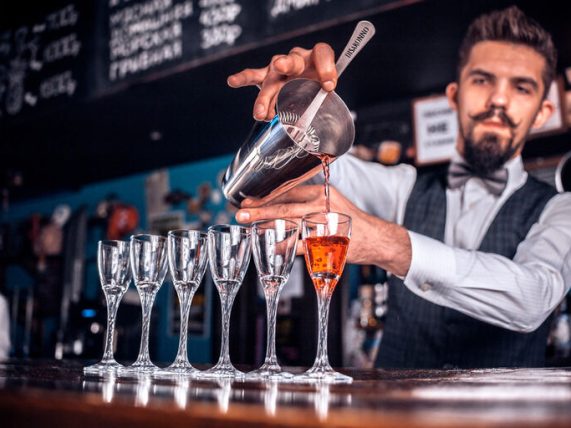
While musicians earn applause, event organisers garner accolades, there is a group in this whole process whose role has remained unheralded, namely, bartenders. They’re not just pouring drinks; they’re also serving as social connectors and conversation starters and, in a way, neighbourhood historians by practice. A good bartender knows who’s new in town, who’s performing around the area, and whose last gig is already becoming local buzz.
Their presence provides layers on three large boxes:
1. They Set the Tone of the Room
Bartenders read crowds. During acoustic nights, they maintain the situation low-key. During punk nights, they prepare to be energised. During poetry nights, they quiet the bar when movies are being presented. They are used to create the vibe that is used by musicians.
2. They Build Social Micro-Communities
Customers usually enjoy sitting at the bar not only to have a drink, but to chat. Bartenders memorise names, make acquaintances, and facilitate dialogue. The feeling of familiarity turns into the basis of belonging to the neighbourhood.
3. They Support Local Artists
Most bartenders are artists in their own right, musicians, painters, filmmakers, who do their art because they are paid to work odd hours. It is quite normal to find a bartender closing down after the shift, then the following weekend, he/she is on stage with his/her band.
Even the barbering career has been enhanced to contain more formalised career choices. The result is that many would-be bartenders are currently attending a local bartending school to be taught the cocktail technique, customer service, and professionalism in the industry without altering the culture of the nightlife.
Small Venues: Where Culture Is Born Before It Goes Mainstream
In contrast to massive stadiums, small ones can put audiences within garnering distance of musicians, sometimes as close as inches. This closeness creates sincerity. The experimentation with new material is practised by the bands, the direct feedback is provided by the audience, and the mistakes are part and parcel of the charm rather than things to be concealed.
- The small culture of the venue is important since:
- It supports emerging talent
- It makes art open and reasonable.
- It develops innovation and risk-taking.
- It encourages the younger generations to join.
The most popular music genres in the world are jazz, punk, hip-hop, and so on, which have not begun in huge arenas or corporate concerts, but in small rooms.
The Ripple Effect on Neighbourhood Identity
What began as one band of musicians performing new music in a local bar may trickle out into larger cultural changes. Even as digital festivals grow more common, these local sounds remain grounded in shared spaces and real-world connections.
The styles of clothes change when regulars are influenced by the style and mindset of the scene.
- Local lingo disseminates by going out, meeting, and chatting.
- Tastes in food and drink vary depending on the crowds and what bartenders and other adjacent restaurants are doing.
- The small business will adjustitsr services to the energy and foot traffic caused by music.
- The neighbourhoods have reputations that are not limited to the neighbourhoods.
Gradually, residents start attending not only popular places, but also to feel the air. Making microaggressive efforts of cultural promotion, the local music and nightlife reflect the character of the neighbourhood in a manner that would never be done by traditional promotion.
Why Culture Thrives Best When Authentically Local
Places become the most robust when musicians, bartenders, event organisers, local businesses, and residents become in sync, with each other and with no one planning it. Big names and branded stages are not necessary. The only thing that counts is that one person opens a venue, one person sets a mic, and others choose to decide that they want to make the appearance of the night.
The culture of a neighbourhood takes shape the moment a band starts playing in the room in front of them. It grows stronger as familiar faces return, songs turn into shared memories, and live sound fills spaces once considered ordinary. Over time, the live music scene stops being background noise and becomes a local marker, something people recognise, talk about, and feel connected to. Even in an era driven by viral discovery, these moments show that meaningful music culture is still built face to face, one live set at a time.
The Power of Presence
Live moments are still felt at a time when any song can be streamed at any time. The notes missed, the clapping without premeditation, the disguised conversations between acts, these are what make people attached to time and place. They help us to remember that culture is not constructed using algorithms, but presence. That is the mute potency of street scenes. They cannot be copied or packaged, making live music experiences truly unique. They are only present when individuals are involved, reinforce one another, and ensure that music remains an experience as opposed to being a product.



Comments 0
No Readers' Pick yet.