







What Separates Good Concert Sound From Merely Loud: Sound Engineer Aleksei Bondarenko’s View
 Story by:
Editorial Dept.
Story by:
Editorial Dept.
In the studio, a bad take gets recorded again. In a concert setting, there is no more leeway for that; the sound system of the building is set up ahead of the arrival of the musicians, from the microphones on stage all the way to the speakers outside, and whatever isn’t sorted out during sound check is precisely what will be heard by the audience, plain and simple. The importance of preparation in such a case is just one of the subtle aspects of a polished performance.
Aleksei Bondarenko works on both sides of that line. In Moscow, he recorded the album Exit to City for Noize MC, one of Russia’s best-known rap and rock artists, and ran front-of-house sound for the singer MANIZHA, who represented Russia at Eurovision 2021. Bondarenko now lives in the United States. In 2022, he reached the final of ArtMasters, Russia’s national championship, in the Music Recording Sound Engineer competition.
The Work Starts Before Soundcheck
The sound at a concert depends on many factors: the venue itself or even if it is an outdoor event, the P.A. system, including its quality, power, placement, and tuning, the quality of the equipment, the effectiveness of the monitoring system, the condition of the instruments, and, of course, the musicians’ own mindset and performance, including the emotional expressiveness of the vocalist. The work begins with setting up the stage and tuning the P.A. system. Everything that can be done without the musicians should be completed before they arrive.
The mixing console is often located in a position that is not ideal for accurately evaluating the sound, and sometimes it cannot be moved. In such cases, remote control should be used to allow the engineer to listen to and evaluate the sound from different locations throughout the venue. It is also important to keep in mind that the acoustics of a venue usually change once the audience arrives, which may require further adjustments during the concert. The stage build and the system tuning run in parallel; otherwise, it would take too long. On tour, this is usually handled by two people: the front-of-house engineer and the monitor engineer.
They set up the microphones, from vocal mics to the drum kit, check the patching so the signal reaches the console from the stage without losses, prepare the console and processing, and align the PA with the acoustics of the particular room. Some of the gear travels with the band, some is already installed in the hall; Aleksei checks all of it and is responsible for the build being right. By soundcheck, the hall has to be completely ready. The musicians come out and check the finished sound: the build is done by that point, and soundcheck goes to balance and monitors.
What the Musicians Hear Onstage
The stage mix runs on its own logic. What matters most to the drummer is hearing the bass and the click. The vocalist needs their own voice and a pitch reference. Out front, a different balance is playing at the same time. A bad monitor mix throws the band off pitch and tempo, and that is audible from the hall immediately.
The Room Changes Every Night
On a touring schedule, the venue becomes one more variable: size, acoustics, the installed PA. Settings from the previous hall carry over in part, and the rest is built again. The same program calls for different decisions in a club and in a large hall, especially when the goal is to sound better than others by adapting the mix to each room. The room changes the sound more than any processing on the console does, and the decision for each hall is made within a few hours. Once the concert is underway, it can no longer be changed.
“Exit to City” and the Moscow Studios
The concert work grew out of the studio work. Bondarenko built his professional practice in Moscow: his main projects were made there, and that is where he left for the United States. He is 32. He recorded the album Exit to City for Noize MC, handling microphone placement and setup, session editing, instrument setup, and keeping the musicians on track through takes. Mixing and mastering came next: the assembly of separate tracks into a finished master.
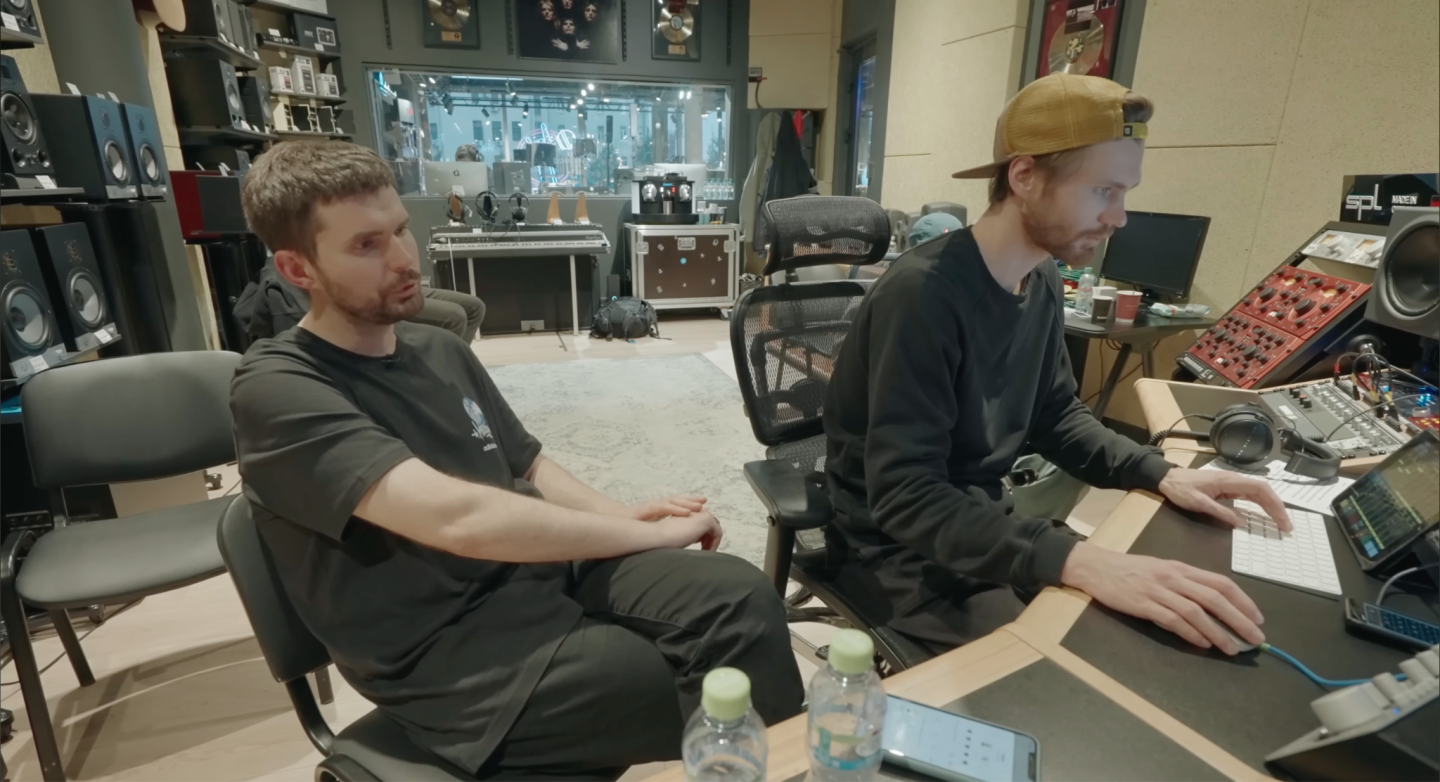
Bondarenko worked on the recording of the third season of LAB, Anton Belyaev’s music show, where artists perform their own songs and other people’s hits in new arrangements. Drums are a separate line in his studio practice: he recorded kits, sometimes bands in full. His portfolio also includes the rock band Nervi. With MANIZHA, Aleksei worked as front-of-house engineer: he prepared venues and rehearsal spaces, signed off on equipment, set up microphones and PA systems, and recorded whole concerts live.
The ArtMasters Final
ArtMasters runs on a competitive format: an open application, qualifying rounds, assessment by a professional jury. In 2022, Bondarenko reached the final in the Music Recording Sound Engineer competency. In August 2023, the ArtMasters Association of Creative Industry Professionals admitted him to the organization by decision of its Council, under registration number 0047. The Association brings together specialists from the creative industries, and admission goes through review by the Council.
A Standard Tested in Every New Room
Concert sound rarely makes it into reviews. Audiences describe an evening through the performance, the lighting and the energy in the room. The work of the person at the console gets noticed when it has been done badly. Bondarenko describes his approach as the technical quality of a recording and the performer’s creative vision meeting at a single point. He treats sound as part of how a masterpiece of music is experienced emotionally, and he states his task for the next few years briefly: to raise the quality of professional sound and the working standards of the industry.


Comments 0
No Readers' Pick yet.