





Can the Same Musical Taste Give a Window Into Dating Compatibility?

 Story by:
Music Blog
Story by:
Music Blog
Music taste is the kind of soft signal that singles tend to over-read or under-read, depending on which app prompt they happen to be answering. Researchers have looked at the question more carefully than dating profiles tend to, and the data suggest that shared musical taste does carry compatibility information. The size of that signal is smaller and more conditional than the conventional wisdom holds, but it is real, and it shows up in the studies that have run across multiple decades.
A 2024 review in Frontiers in Psychology compiled the available studies on music and romantic relationships and found that musical preferences are a partial predictor of bond formation, satisfaction, and stability. The more interesting finding is that the predictive value comes less from identical genres and more from how partners use music together. The mechanism behind the correlation matters more than the surface-level overlap.
The Data on Shared Musical Taste
Survey work by Checklovers placed only 2% of couples with completely opposing music tastes among those who stayed together long-term. Couples with similar music tastes or at least some overlap reported higher satisfaction across communication, emotional connection, and conflict resolution measures. Additionally, 74% of singles say they would tap “like” on a dating app profile that signals shared musical interest. Research suggests that even a 20% to 30% overlap in preferred genres or artists appears to be enough. The streaming data on shared playlists, while messier, points in the same direction.
Couples who curate joint playlists or attend concerts together report higher commitment scores than couples who consume music separately. The activity matters as much as the taste, and several recent papers have isolated the listening behavior from the underlying preference to confirm this. Among long-married couples, frequent shared listening predicts relationship satisfaction more reliably than agreement on any single artist or genre.
Music as a Personality Signal
In 2018, Cambridge research confirmed that personality traits could be measured in relation to musical preferences. People who listen to classical music and jazz music perform better on openness. Country and pop music fans outperform other music fans in terms of agreeableness and extraversion. Hip-hop and electronic listeners are more likely to be open and less agreeable. Correlations reported by the various replications of this study are small but consistent, as in a 2018 paper in Personality and Social Psychology Bulletin that included respondents from listeners in 50 countries.
Music taste serves as an indicator of underlying relationship compatibility, as personality traits can predict relationship outcomes. People who score high on both openness subscale items tend to have similar preferences. They will also tend to have the same conversational style, level of tolerance for ambiguity, and attitude to novelty. This is because music preference is a useful proxy for these more profound ones, and thus, dating profiles that feature music snippets have a chance of attracting more matches than lists of hobbies.
Age Gaps and Musical Reference Points
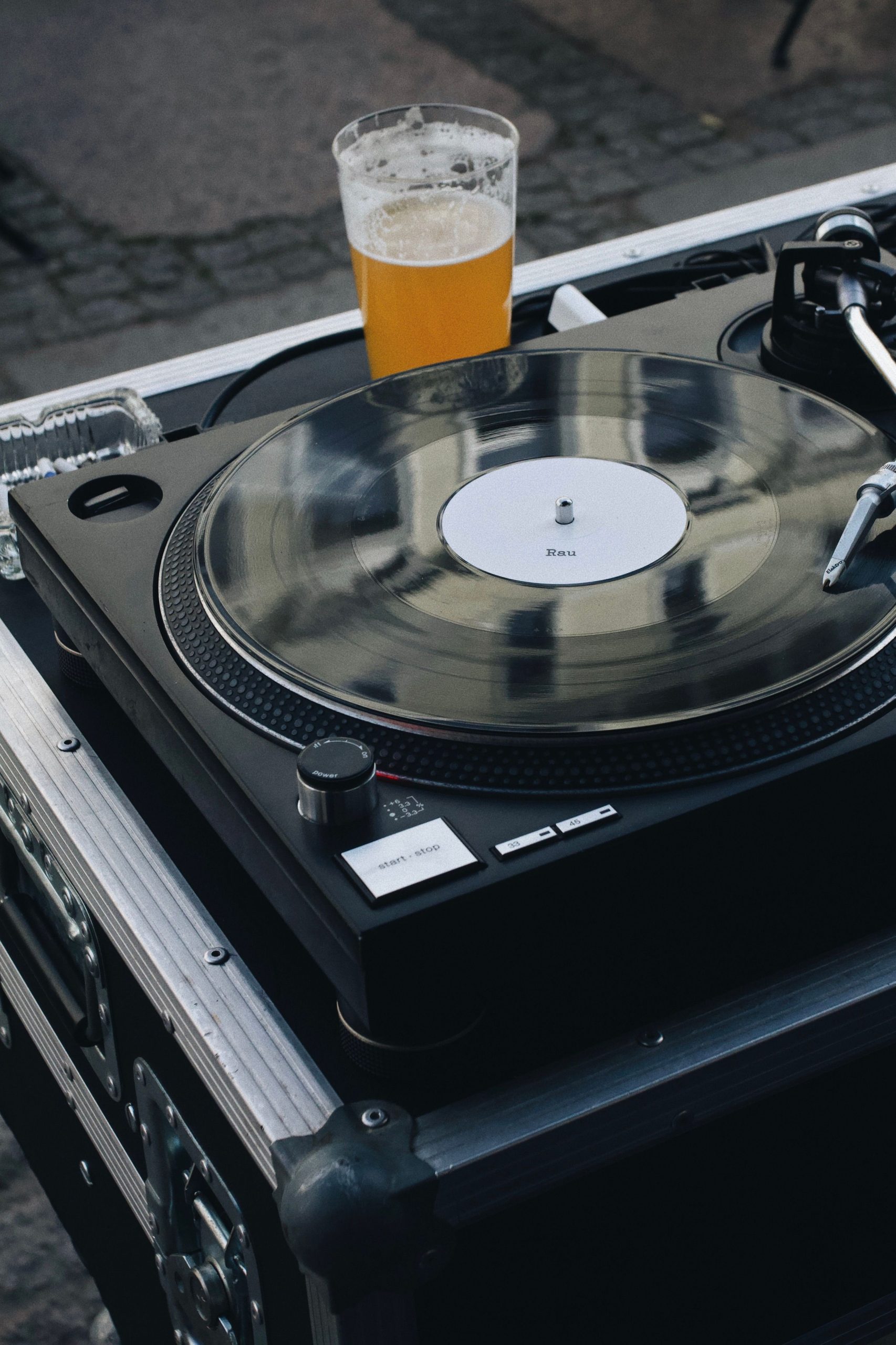
Generational differences in musical taste are real and easy to identify in conversation. Someone who came of age with grunge will usually prefer different chord shapes than someone who came of age with synth-pop. Studies on age-gap pairings note that this difference can produce friction or connection depending on the couple’s curiosity. Some women who try dating an older guy find that the age gap becomes a feature rather than a bug. The reference set widens. Vinyl pulled from a partner’s collection introduces records that the younger partner had never tracked down. The exchange goes both ways, and younger playlists offer the older partner artists outside the algorithm’s standard recommendations.
Shared Listening as a Bonding Activity
A 2021 study on shared musical activity, published in the Journal of Social and Personal Relationships, measured commitment in couples who listened together, sang together, or curated playlists together. Commitment scores were higher than in matched control couples who listened separately. The mediating mechanism was interpersonal coordination, the same low-level synchrony that explains why people who walk together tend to fall in step.
Sharing music creates a small-stakes form of self-disclosure. Choosing a song to play for a date is a statement about what the listener thinks the moment requires. Choosing the wrong song is information too. The signaling is fast and low-cost, which makes music a useful screening tool early in a courtship and a memorable shared point later. Couples who develop a private repertoire of “our songs” tend to score higher on long-term commitment measures.
Music Integration on Dating Apps
Most major dating apps now allow users to display Spotify or Apple Music data directly on their profiles. Tinder added Spotify integrationThis has been added in 2016, and allows users to set an “anthem” track. Hinge integrated music into the profile building, and artists and songs act as conversation starters. Newer companies like Vinylly and Tastebuds match users for the most part by listening preferences, and the match is based on the similarity of taste, not the match of listening habits.
These features have seen good uptake by the user. Profiles that include music-oriented prompts see significantly more response rates than those that don’t, notes Hinge. The data is consistent with the surveys previously reported. Music serves as a light summary code that strangers can easily learn in a short period of time, and dating apps are based on it, not against it.
The Limits of the Music Match
The data does not support treating music taste as a complete proxy for compatibility. Couples can share musical preferences and still mismatch on values, life timing, and conflict styles. Long-term outcomes track most strongly with alignment on commitment level, financial planning, and family expectations. While music taste is a personality marker and thereby correlates with relationship outcomes, it doesn’t take the place of the more difficult questions of how two individuals will spend their lives.
The second one is related to the first: music tastes evolve. When a listener is stuck with a genre and sound in his or her twenties, in the thirties, and forties, the listener may broaden his or her listening. If the couple’s tastes go in different directions, they could be listening to differing music in 2027, but they could be listening to the same music in 2024. Shared playlists as a basis for compatibility are very fragile.
Practical Takeaways from the Research
The best interpretation of the literature is that music taste is a good early signal but a bad late signal. Musical overlap is a quick indicator, both on a first date and in early application conversations, of the similarity of personalities and willingness to share something personal. The value of the signal decreases considerably in the 3rd or 4th month. By this time, there’s been more information gained from each other’s partners’ communication style, conflict patterns, and lived priorities, and music recedes to its proper place as one of many shared interests.
The rule for a second date is that it is important to realize that there is a musical mismatch, but not the only factor. It’s a beginning, not the end, as there are other factors to consider in deciding compatibility in a real relationship. In music listening to feel timeless, the same thing goes with preferences: whilst comparable tastes might help to lead to discovery, a stronger sense of preference is borne out by a wider overlap than a single point of overlap.





Comments 0
No Readers' Pick yet.