




How NYC’s Live Music Scene Inspires Adult Piano Students To Stick With Practice
 Story by:
Music Blog
Story by:
Music Blog
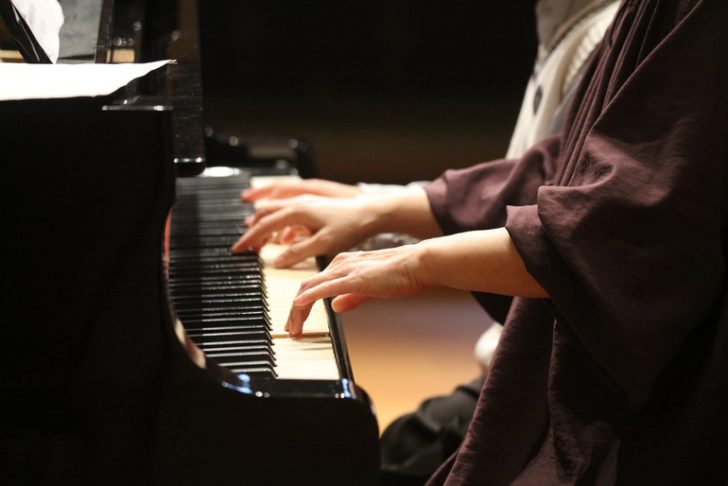
One time, this will occur to an adult learner of the piano in New York City. You’re tired. Work ran late. The train was delayed. You have your keyboard in your corner as a silent reminder of the plans you were supposed to have. You vow to give yourself a practice tomorrow. And accidentally you find yourself in a live concert, a small jazz ensemble downtown, a pianist with a singer in a small room, or a stage where the keys and band are larger and less noticeable. Something gets on somewhere in that performance. Listening to the wording, the beat, and the manner in which the piano creates the atmosphere of the room makes passive listening a new curiosity about the instrument.
It is moments such as these that can explain why the music culture in the city is such a significant issue when it comes to adult learners. Live performances will remove the instrument from isolation and reintroduce it into a common creative field. Observing the interactions of a pianist with the rest of the musicians, how he or she constructs harmony, or even transports a melody, is the context of the hours of his or her practice at home. Rather than starting to seem like practice being the same thing, practice starts to be related to the larger music world that is happening on the stages around the city, as a constant reminder to the students of the reason why it is worth returning to the keys.
Adult Piano Students Don’t Quit Because They “Don’t Care.”
They start because they’ve always wanted to play. Because they took lessons as a child and missed it. Because they need a creative outlet outside of work. Because they love songwriting. Because they want to understand the music they listen to, not just consume it. What gets hard is not desire. It’s life. Adult learners are balancing jobs, commutes, family responsibilities, shifting schedules, and mental fatigue. Even when they genuinely want to practice, the energy required to begin can feel bigger than the session itself. And when progress feels slow, motivation can dip fast.
That reality is one reason many adults need more than just a practice schedule; they need perspective, flexibility, and a reminder that learning music is a long-term investment, not a short sprint. As Vincent Reina, President/Founder of Music To Your Home, puts it: learning piano (for yourself or your children) is shaped by practical decisions like lesson format and cost, and students shouldn’t be afraid to try different formats and teachers until they find what suits them best. This is exactly where live music helps. A great performance does what a checklist can’t: it reminds you what music feels like. Not a theory on a page. Not finger exercises in isolation. Not “I should practice because I paid for lessons.” It reminds you: this is why I’m doing this.
Live Music Reconnects Practice To Purpose.
Early practice may seem to be mechanical to adult beginners because it is one of the greatest challenges. You are repeating positions of hands, counting beats, correcting fingers,s and pausing afteame few bars. It is necessary labor, but it may seem like a long way away from the music that made you decide to start playing in the first place. Then you listen to somebody performing live, and the connection is more evident. What used to seem like exercises starts to show its point. On stage, the basics are manifested in real-time – consistent beat that keeps a groove together, subtleties that create emotion, phrasing that directs the tune, and time that syncs with other players on stage.
You can see how a pianist listens, how he/she can change touch note by note and how he/she can pass over small flaws and not to interrupt the flow. It might seem to the audience that the performance is effortless, but in reality, it is no different in terms of the consistency and repetition that adult students are going through when practicing. That change of position may be effective. It is no longer practiced as isolated exercises, but practice begins to appear as preparation for actual musical expression. Scales, rhythmic work, and repetitive passages aremeans thath serve another purpose: the possibility to express something bigger: the communication with the help of sound.
In a city where the flow of performances is endless, adult learners tend to discover that such situations in the audience redefine their approach to the keyboard the following day. Such events as the Ryan Shaw and Ray Angry Off Broadway project make those details even more noticeable. The audience in performances dominated by piano and keys is near enough to experience the subtlety of touch, timing, and phrasing that create the musical composition. With adult students, seeing these things with their own eyes makes abstract practice objectives a reality–and usually makes them take a seat again at the keyboard with a new impetus.
Watching Live Piano Teaches Adults What To Practice Next
Another reason NYC’s live scene helps adult students stick with piano is that it gives them practical direction. Adults often plateau not because they lack effort, but because they don’t know what to focus on. They practice what they already know, or they bounce between songs without a clear progression. Live shows can sharpen your attention. When you watch a pianist closely, you begin to notice details that point directly to better practice goals:
- Time And Groove Matter More Than “Playing Every Note.”
A live player can miss a note and still keep the room with them if the time feel is strong. Adult students who struggle with perfectionism often need this reminder.
- Dynamics Make Simple Parts Sound Expressive.
A basic progression can feel powerful if it breathes. That’s encouraging for beginners who think they need advanced pieces to sound “musical.”
- Comping And Accompaniment Are Real Skills.
Not every pianist is soloing nonstop. In many live settings, the keyboard player is supporting the vocalist, locking with drums, or creating texture. That opens a whole new practice pathway for adults who don’t necessarily want to become classical recital players.
- Recovery Is Part Of Musicianship
Live music teaches resilience. You see players move through tiny imperfections without freezing; a lesson many adult learners desperately need.
The result? Better practice decisions.
Instead of “I should just play longer,” the student starts thinking:
- I need a steadier rhythm.
- I need to work on transitions.
- I need to play softer in the verse.
- I need to practice listening while I play.
That is real progress.
Why Adults Often Do Better With Guided Learning
New York can inspire you, but inspiration alone doesn’t build momentum. Adults usually stick with the piano when inspiration is paired with structure. That’s where lessons matter, especially for busy learners who need efficient practice strategies instead of endless trial and error.
A good teacher helps adult students convert “I got inspired at a show” into:
- a realistic weekly plan,
- specific technical goals,
- songs that fit their level,
- and a way to track progress without burnout.
If someone is searching for the best piano lessons NYC has for adults, the real differentiator is often not just credentials; it’s whether the teacher can connect the student’s musical tastes and live-music experiences to a practice routine they can actually sustain.
That’s also why NYC-based schools with flexible formats can help working adults. The point isn’t that every adult needs the same lesson style. It’s that in a city like New York, the students who last are usually the ones who build a system around their real life, and keep feeding that system with live music.
The Emotional Side Of Consistency
There’s also an emotional truth here that adults rarely say out loud: practicing piano can feel vulnerable. When you’re learning as an adult, you’re often confronting beginnerhood in a world that expects competence. You may be successful in your job, highly capable in daily life, and still feel clumsy trying to coordinate two hands over a simple pattern. That can create friction. Shame, frustration, impatience, comparison.
Live music helps soften that. Not because it magically makes you better overnight, but because it places your learning inside a larger human tradition: people making sound in rooms, imperfectly and beautifully, together. You stop evaluating yourself only against the final product. You start appreciating the process, listening, growth, and feeling. For many adult students, that mindset shift is the difference between practicing for three weeks and practicing for three years.
Nyc Offers Motivation On Demand
The city gives adult students something rare: frequent access to high-level live music in many formats. You can hear world-class players in iconic spaces, catch intimate sets in smaller rooms, or stumble into a performance that changes your whole week. For pianists and piano-curious listeners, even one evening out can reset your momentum. Classic NYC venues like the Village Vanguard and Blue Note remain major touchpoints for live jazz listeners and musicians alike, while venues connected to the SmallsLIVE ecosystem continue to shape the city’s small-room listening culture.
You don’t need to be an aspiring professional to be inspired by those spaces. In fact, adult hobbyists may benefit the most because they’re often learning in the middle of very full lives. A live set can compress months of “I should practice” into one clear thought: I want to get back to the keys tomorrow. LiveMusicBlog has long covered the range of New York live experiences, from intimate piano-led performances to historic NYC show recaps, reinforcing how deeply the city’s listening culture shapes musicians and fans alike.
How To Use Nyc’s Live Scene To Stay Motivated (Without Burning Out)
You don’t need to turn every week into a serious “music study” project. In fact, the best approach is often simple and repeatable.
Here are a few ways adult piano students can use NYC’s live music culture to support consistency:
- Pair One Live Show A Month With One Practice Reset
After a show, spend 10 minutes writing down:
- One thing you loved
- One thing you noticed about the pianist
- One thing you want to work on this month
This turns inspiration into action.
- Practice “What You Heard,” Not Just What’s Assigned.
Even if your teacher gives structure (and they should), bring in sounds from the city:
- a groove pattern
- a voicing texture
- a dynamic idea
- a rhythm feel
That keeps practice personal.
- Let Live Music Expand Your Goals.
Maybe you started piano thinking only in terms of solo pieces. A few NYC sets later, you realize you’d rather:
- accompany yourself while singing,
- play with friends,
- join a casual jam,
- or prepare one song for an open mic.
That’s not a detour. That’s clarity.
- Stop Waiting To “Feel Ready.”
Many adults delay live exposure because they think they should be better first. But listening is part of learning. Going to shows early can improve your musical ear, taste, and motivation long before you feel “good enough” to perform.
- Use The City As Your Reminder.
When motivation dips, don’t only rely on willpower. Go hear music. Let the environment do some of the work.
The Real Win Is Not Perfection; It’s Staying In The Game
It is not perfection; the adult piano student who manages not to quit the game is the real winner. The learners who achieve meaningful progress are hardly the unlimited time learners. More frequently, they are the ones who come back to the keyboard. The practice can be faulty, the timetables can be changed, the objectives can vary, but they are constantly driven by inquisitiveness.
In the long run, success is no longer defined in terms of the number of pieces that have been mastered but indicates a greater level of ease with the instrument and with the learning experience. That attitude develops naturally in an environment where there is always music playing. Entering a place in New York City and listening to a powerful performance can re-adjust the practice experience. The experience serves to remind adult students that music is not like another thing they can finish at the end of a long day of work- it is a creative process that builds up over time by listening, playing, and returning to it. When the rehearsal at home is linked with the vitality of actual performances, the consistency starts to be not so obligatory, but a part of the bigger musical culture. The nights of the city stages just support that concept silently. Not only do they create audiences, but they also encourage learners to go back to the keys as they feel inspired by the sound, the ambiance, and the feeling that they are in the same living musical world.




Comments 0
No Readers' Pick yet.