


How Music Festivals Are Adapting to the Era of Live Streaming
From the stage to the screen: live streaming is the new headliner, transforming the live entertainment industry with new revenue and a global audience.
 Story by:
Music Blog
Story by:
Music Blog
Music festivals are evolving fast. They are finding new ways to connect with fans who can’t attend in person, generating income from streams, and watching how online access shapes ticket sales. Big names like Outside Lands and Glastonbury are streaming sets live so everyone can join. Outside Lands this year streamed free shows on Prime Video and Twitch from August 8 to 10. Fans got more than eight hours of music per day, featuring Tyler, the Creator, Doja Cat, Hozier, Vampire Weekend, and Anderson. Paak, Glass Animals, Bleachers, and rising artists like Hope Tala and Naomi Sharon all live from home.
New Formats and the Hybrid Experience
Streaming isn’t just an add-on anymore. Festivals now design shows for both on-site and online audiences. Glastonbury offered Ultra HD streams with sign language interpretation, around 90 hours of coverage. Stagecoach rolled out live broadcasts plus next‑day rebroadcasts to capture fans around the globe, even in odd time zones.
These hybrid setups often include:
- Live coverage on streaming platforms
- Subtitles or live interpretation for accessibility
- Replays or “rebroadcasts” to reach different regions
This strategy expands reach while keeping the in-person vibe intact.
Many organizers also use platforms like parimatchae.com to integrate branding and sponsorships naturally, boosting revenue without disrupting the viewer’s experience.
How Streaming Adds Value
Streams are not just a perk. They generate revenue:
- Paid access or subscription tiers for exclusive content
- Ads and branded segments in streams
- Platform or sponsor collaborations
- Merch links and live donations are shown on screen
These channels help cover streaming costs and add fresh income.
What Happens to Attendance?
Some assumed streams would compete with in-person sales. Instead, they often boost them. Primavera Sound in Barcelona broke attendance records this year while offering high-quality streaming. Watching from home often turns into planning for a real visit. Many treat the stream as a teaser, a way in, not a replacement.
Tech That Makes a Difference
Festivals now invest in technology to elevate both live and virtual experiences:
- Big screens on-site synced with streams create a shared experience for the crowd
- AI subtitles, sign language feeds, and customizable audio make events more inclusive
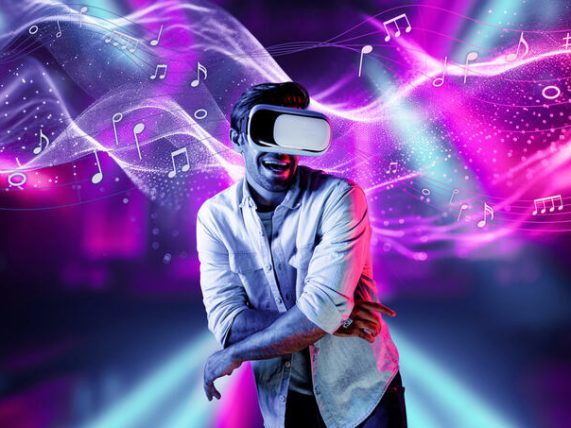
- AR, VR, and interactive features let online fans explore virtual festival grounds or join backstage spaces
These upgrades help streams feel like events, not just broadcasts.
More Live Examples This Year
Several 2025 events show how hybrid formats work:
- Stagecoach featured Lana Del Rey, Zach Bryan, Jelly Roll, and Luke Combs, and streamed across major platforms.
- Glastonbury delivered immersive, accessible coverage without losing on-site energy.
- Dot to Dot Festival continued to grow its audience across multiple UK cities.
- Beats for Love in Ostrava attracted massive in-person crowds alongside its hybrid presence.
Key Moves in the Hybrid Model
Festivals tend to build around three pillars:
- Platform choice – reliable, wide-reaching services like Twitch, Prime Video, or BBC iPlayer
- Extra services – captions, interpretations, and replays to keep audiences engaged
- Tech setup – big screens, VR zones, AR content to enhance the experience
These elements combine to make events more immersive and inclusive.
Why This Matters
Live streaming has changed how people experience music festivals. It opens the gates for fans who can’t travel, brings in new revenue, and keeps festivals relevant in a competitive scene. For most fans, the stream doesn’t replace being there. It adds another layer. And for festivals, it’s a smart way to grow their audience worldwide.


Comments 0
No Readers' Pick yet.