






Festivals Accepting Bitcoin: Will Bitcoin Price Peaks Lead to More Crypto-Only Music Events?
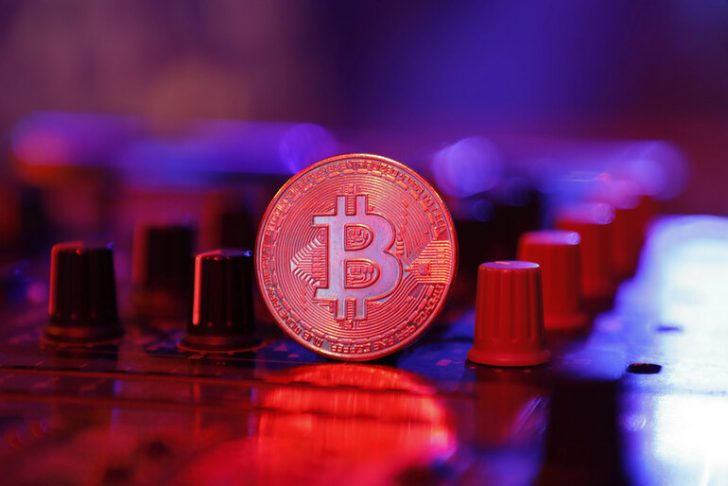
Surging digital asset values are poised to transform music festivals, potentially ushering in a new era of crypto-powered events.
 Story by:
Music Blog
Story by:
Music Blog
As cryptocurrency attracts new interest, the effect has ripples through the festival landscape. Soaring prices and ever-growing ease of use are causing a rethink of how festivals deal with fans and payment. The question being raised throughout the music tech community is simple: Might increases in the price of Bitcoin pave the way for a new era of crypto-only festivals for the live music industry? With the continued penetration of cryptocurrency across different sectors, the space of live entertainment is seeing a quiet revolution. While mainstream adoption is low, interest in cryptocurrency applications for tickets, payment for merchandise, and even activity behind the scenes keeps rising steadily.
Several festivals and future boutique events are considering the proposition as a publicity gimmick and as part of upgrading infrastructure. The buzz only gains more steam as real-time bitcoin prices capture investor interest as much as that of vendors. This blending of digital finance and cultural experience is illuminating the possibilities of various event models. Small size, yet universal potential. The fact that festival dashboards and vendor apps can handle bitcoin price updates reflects a mindset among audiences and organizers toward transactions and creating a community. With the festival economy reappearing after the pandemic, blockchain conversations continue to gather steam. Here, updates to the bitcoin price are no longer just market data but guide decisions in planning, budgeting, and even implementing promotions.
Crypto Tickets and Blockchain Access
Some festivals have even started testing Web3 solutions, not just as payment processors but to redefine the ticketing model. Platforms like GET Protocol and YellowHeart are investigating blockchain-based tickets, designed to eliminate fraud and remove resale bots. These tickets do more than demonstrate ownership; they enable the artist and promoter to track the entire lifecycle of the pass.
For specific experimental initiatives, even NFT-access passes have triggered the release of other items like meet-and-greets, drink vouchers, or limited edition merchandise. While these experiments are mainly limited to tech-savvy events and mid-size festivals, they give one a glimpse of future large-scale crypto event infrastructure.
Urban boutique festivals in cities such as Singapore, Berlin, and Barcelona have also had blockchain demonstrations or workshops related to existing festivals. These pilots included wallet-onboarding booths and introductory sessions for inexperienced users, even if large-scale ticket adoption in these locations remains in the pipeline.
Vendor Payments and Onsite Cryptocurrency Use
One of the more practical applications has been using crypto wallets for onsite payment. Food stalls and merch booths at some festivals began to roll out transportable POS systems that accept Bitcoin or stablecoins. The appeal is speedier transactions, reduced fees, and circumvention of the usual credit card protocols.
Breakaway Festival and other events have experimented with Web3 integrations, such as NFT-based functionalities and vendor digitization, although universal Bitcoin wallet distributions are still in nascent phases. On their initiative, vendors at overseas events have begun to accept cryptocurrency, usually as a tribute to tech-savvy fans.
This testing often coincides with increasing Bitcoin prices, as increased interest encourages organizers to try out cryptocurrency. Fans hope that improved infrastructure and positive Bitcoin price news can catalyze a broader cultural shift among the event economies.
Token-based Voting and Community-Driven Lineups
In addition to payment, blockchain also provides modalities for rethinking event governance. Experimental mini-festivals are testing token-based governance frameworks, in which the audience can vote for the lineup, the venue, and aesthetic elements of the visuals through community tokens.
Though still in nascent stages, these decentralized systems posit new modes of engagement wherein fan groups are empowered to have partial control of how events unfold. These initiatives point to how crypto can be more than currency; instead, it can be used as a means of decentralizing control and facilitating decisions by the crowds.
Decentralized event planning platforms monitor the effect of cryptocurrency price changes on participation and sentiment. Bitcoin’s price swings could soon have a muted impact on budgets and decentralized festival experiences.
Price Signal as Cultural Catalyst
Bitcoin’s real-time price valuation is no longer simply a finance statistic; it’s even becoming a cultural barometer. Price surges often create new hype around crypto adoption, and festival promoters are more likely to launch pilots or co-branded initiatives during favorable market swings. For example, when Bitcoin to CHF shows sharp appreciation, it not only signals financial strength but also boosts confidence in event organizers who view crypto as a viable medium for ticketing, sponsorships, or on-site payments.
These festivals are proving grounds, as successful integrations breed media attention and stimulate peer festivals to engage in comparable integrations. Bitcoin’s real-time high prices may not translate to crypto-only festivals, but they accelerate the conversations needed for future integrations.
However, the challenges abound. Market volatility, tech reliability, and lack of standardization are roadblocks. Mass adoption would be improbable without assertive educational outreach and streamlined user experiences. But the experimental building blocks are underway, paving the way for a flourishing festival economy that can potentially revolve around virtual assets.
Crypto on the Horizon
While crypto-only festivals are still more future vision than present reality, they no longer feel outside the mainstream of ideas. Pilot projects, real-world experimentation, and shifting attitudes point to cryptocurrency, once a niche, as now a permanent fixture in the cultural landscape of festivals. As long as platforms keep delivering real-time price updates for bitcoins, festivals and fans will have new ways of managing the future.




Comments 0
No Readers' Pick yet.