


Hard Rock Stadium’s Evolution: Where Music Festivals Meet Football Sundays
 Story by:
Music Blog
Story by:
Music Blog
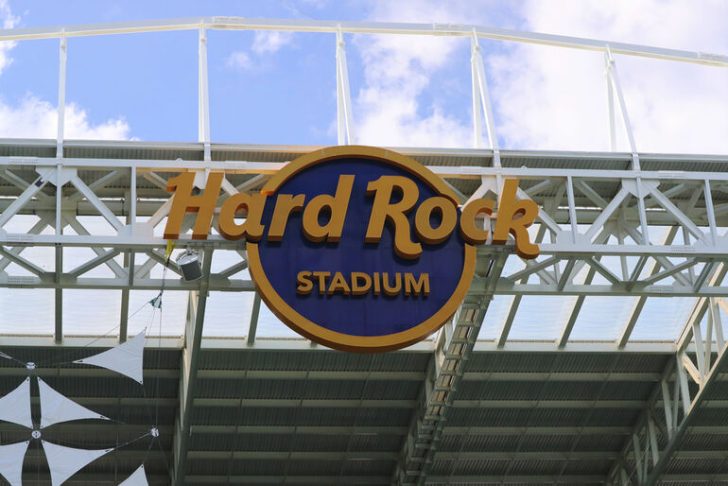
The Hard Rock Stadium in Miami is an example of how sports venues have grown much bigger than their initial roles. The stadiums that were used to host only a football game have been turned into global music festivals, international sporting events, and huge entertainment events that attract people worldwide. This change has instigated these spaces into cultural crossroads in which form, energy, and performance become central to sound, energy, and performance in various forms.
In particular, live concerts introduce a new dimension to spaces that were previously dominated by sport, with production design, acoustics, and interaction with crowds redefining the experience of the venue. The infrastructure that boosts a stadium’s roar today supports vocals, instruments, and coordinated lighting displays and transforms each occasion into a collective sensory experience that stretches way beyond the initial purpose of the space. This change represents larger shifts in the economics of stadium construction and anticipations of fans who desire more and more experiences that combine sport and music with large-scale live entertainment. Hard Rock Stadium stands as a clear example of how one venue can serve multiple industries while strengthening the brand identity connected to sports, concerts, and cultural events.
The Transformation of Modern Stadiums
Big stadiums constructed in the previous decades tended to concentrate mostly on professional sports seasons, with substantial amounts of the calendar going to waste. Contemporary venue managers have a different approach to stadium design and scheduling. Modern stadiums are multipurpose entertainment centers that can host concerts, festivals, soccer games, and other international events all year round. This will result in maximizing revenue potential and also increasing the cultural presence of the venue. The evolution of Hard Rock Stadium is seen in that the stadium hosts events way more than football Sundays and positions it as a venue that can accommodate a large-scale entertainment production with the ability to reach out to audiences worldwide in the form of music, sports, and international events.
Rolling Loud and the Rise of Stadium Music Festivals
Rolling Loud is one of the most visible cases of the intrusion of music festivals into the stadium setting. Initially known as a hip-hop festival, Rolling Loud today enjoys international interest and huge crowds when held in big arenas. The Hard Rock stadium can accommodate such events with facilities like massive construction of stages, huge seating capacity as well as a sophisticated sound system to support live concerts. The presence of a festival such as Rolling Loud turns the stadium into a cultural space that combines the music culture with the infrastructure that is traditionally linked to professional sports buildings.
Hard Rock Stadium as a Year-Round Entertainment Venue
Hard Rock Stadium in Miami has become more than a football venue; it’s a year-round entertainment destination hosting Rolling Loud, international soccer, and massive concerts. The Hard Rock brand’s expansion into sports betting through Hard Rock Bet promos connects to this vision of integrated entertainment, where music fans attending stadium shows engage with the same brand ecosystem as sports fans.
International Soccer and Global Event Programming
The operators of stadiums are rapidly realizing the importance of staging international soccer matches, which attract viewers across national borders. International clubs and national teams usually host games at Hard Rock Stadium, either as an exhibition match or as part of a tournament. These events also appeal to various fan bases and expose new audiences to the venue. The same level of accumulation is simply transferred to the music industry, with stadiums being turned into platforms for touring musicians and other massive live shows. International concerts unite the audience of various areas under the same roof, transforming the concert hall into a common cultural space where sound and feeling are the drivers. Soccer games can also attract spectators who come with the express purpose of attending international matches, contributing to tourism as well as increasing the recognition of the venue outside of local football competitions. Through hosting world soccer matches and concerts, as well as festivals, the stadium keeps its event calendar busy all year round.
Venue Economics and Multi-Event Scheduling
The management of a contemporary stadium is a costly affair in terms of upkeep and workforce, as well as investment in infrastructure. Venue operators thus attempt to achieve scheduling strategies that ensure that facilities are not idle most of the time. More revenue streams, such as concert tours, music festivals, soccer exhibitions, and corporate events, are a supplement to professional sports schedules. Hard Rock Stadium can serve as an example of an event programming that can be diversified to promote financial sustainability without undermining the nature of the venue as a key sports destination. This capacity of hosting various kinds of events enables the management of the stadium to draw in new people and ensure a steady flow of activity throughout the year, and not just the football season.
Brand Ecosystems Across Sports and Entertainment
Mega entertainment brands are creating cross-platforms that connect music, sports, and online interactions. Stadium partnerships can be more than one event, but a larger branding strategy that links audiences with a variety of experiences. Individuals who attend a concert or a festival will be able to experience the same brand image that is depicted in the broadcasting of professional sports events, the campaigns of sponsors, and online platforms. The existence of Hard Rock in the entertainment sector indicates that businesses are able to merge music events, sports shows, and fan experiences into one cohesive brand that has the ability to appeal to audiences in various entertainment mediums.
The Future of Multi-Purpose Stadium Experiences
The further development of the stadium design indicates that the next generation of stadiums will continue to grow further into entertainment programming that integrates both sports and cultural events. There are now music festivals, international contests, and large-scale performances, all leading to the development of the way stadiums are used year-round. The programming strategy of Hard Rock Stadium shows how a venue may be able to cut across various industries and still retain its identity as a sports venue.
With the growing interest of entertainment audiences in live events that are immersive, it is likely that stadiums able to host various events will continue to be the centre of the sports culture as well as music events around the world. This constant transformation is indicative of how contemporary venues are not characterized by a single purpose any longer, but rather by their capacity to accommodate various types of large-scale performance and connection with audiences in various seasons and genres.


Comments 0
No Readers' Pick yet.