




From Stage to Screen and Back Again: How Theatre Is Reinventing Itself for the Digital Age
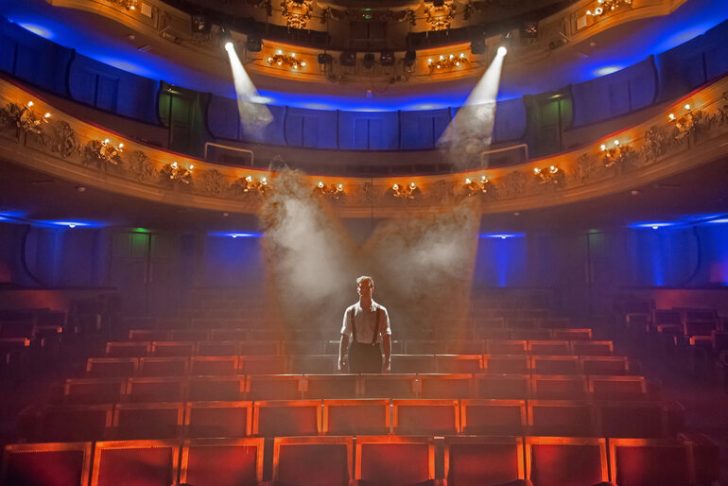
Artists Go Hybrid: The digital age is fundamentally transforming live performance, opening new frontiers for connection and creativity.
 Story by:
Technology Blog
Story by:
Technology Blog
The current switch to and fro between the stage and the screen has led to an increase in pace, with theatre being able to reinvent itself to compete with the digital world. Actors, directors, and writers are gravitating towards such media features as livestreaming and virtual reality to address audiences across the globe, and musicians are not left behind.
New avenues are emerging, and they form a different world where musicians and other artists can establish a connection with their fans through virtual concerts, immersive sound experiences, and more. It questions most of the regular conventions, as well as creating the uplifting of new fronts of innovation and partnership.
In this article, we are going to look at the changing performance venue environment, the synergies between digital competencies, stage and studio-based work, and the way in which education is a key to preparing artists, musical and otherwise, to participate in a hybridizing future. We will also highlight learning routes that will assist musicians in merging with emerging technology.
Digital Revival of Live Performances
The digital revival of live performances thrives on audience engagement across distances. When the companies broadcast plays and musicals, the audience in all parts of the world gets to share the experience.
Applications such as Zoom and dedicated apps available after the shows have interactive question-and-answer sessions where fans can get behind-the-scenes insight. The directors live-stream the rehearsals, encouraging the people to contribute to it and make it more interactive.
Schools and community theatres record performances to create digital archives and build outreach. With each streamed show, theatres expand reach and grow revenue streams. These digital initiatives reshape how performers rehearse, connect, and collaborate on a global scale.
Training for a Hybrid Theatre World
Performers now learn to blend traditional stagecraft with digital fluency. Actors study camera angles, audio quality, lighting for webcams, and microphone techniques alongside voice projection and movement. Directors explore virtual blocking and stage direction for on-camera and multi-angle formats.
Educators are considering curriculum redesign to incorporate digital-first projects. This shift introduces relevant credentials such as a master’s in theatre education online, equipping artists with academic grounding and practical digital skills. Southeastern Oklahoma State University offers a fully online M.Ed. in Curriculum & Instruction – Theatre Pedagogy.
This program spans 30 credit hours—18 focused on core research, diversity, and educational theory, and 12 dedicated to theatre, including production, acting, directing, and technology integration. Musicians exploring interdisciplinary work will find the tech and performance elements especially relevant. With a pace as quick as 12 months, no GRE requirement, and a tuition of around $280 per credit, it’s an accessible pathway for creatives looking to expand their stage or studio presence through education.
Interactive Theatre Goes Virtual
Interactive theatre goes virtual by inviting audiences to co-create narratives. Immersive platforms encourage real-time branching paths and role-playing. Some performances use multi-feed video walls that viewers control. Others allow remote players to trigger lighting or sound effects via chat.
Virtual spaces like VRChat and Altspace host 3D theatrical events where avatars move, react, and speak. These environments let directors experiment with space in new ways—rooms float, stage geometry shifts dynamically, and audience gaze influences pacing. As technical savvy rises among artists, interactive virtual theatre becomes another fruitful branch of storytelling.
Digital Stage Design and Augmented Reality
Digital workflows in stage design incorporate projection mapping, LED screens, and augmented reality overlays. Designers code visuals that sync with actors’ movements and music. Choreographers rehearse with AR headsets to visualize set pieces before construction. Costume shops produce quick-change tech and digital textiles that react to proximity sensors or sound.
These enhancements bring an immersive dimension even to modest venues. Creators reduce physical set costs, scale elaborate visual worlds, and adjust designs on the fly during rehearsals. Today’s stage becomes a digitally responsive ecosystem.
Theatre Education Embraces Edtech
Theatre education now embraces educational technologies to teach online and in person. Schools embed tools like Flipgrid, Padlet, and LMS video modules into scene-study courses. Teachers assign collaborative scripts on cloud platforms, and students workshop remotely. Virtual classrooms simulate audition environments complete with feedback analytics.
Drama students rehearse via breakout rooms, recording their performances, and receive timestamped instructor notes. Educators track participation and skill growth through dashboards. This blend of art and tech builds literacy, collaboration, and creative confidence in students.
As digital fluency becomes integral to acting and production, educators are shaping learners who thrive both on stage and across digital platforms. The same holds in the world of virtual to live music, where performers must navigate both screens and stages with equal fluency, developing not only technical skills but also the adaptability to connect with audiences wherever they are.
The Rise of Remote Collaborations
Remote collaboration transforms how theatre artists connect and create. Directors cast actors from multiple countries, writers collaborate via shared documents, and designers contribute from home studios. Cloud-based tools like Google Workspace and Frame.io streamline feedback, version control, and communication.
Rehearsals take place over video conferencing, where performers explore timing, blocking, and vocal delivery in digital rooms. Producers run table reads in Zoom breakout rooms, maintaining chemistry and structure.
Time zones are an obstacle to scheduling and allow round-the-clock contribution of creativity. Planning allows theatre projects to be more inclusive, with talent drawn upon greater pools and voices across continents collaborating on one another to create their productions. The history of theatre on the stage, on the screen, and the stage again is one of strength, imagination, and community, which is something in common with the world of music.
Artists are mixing the centuries-old narrative with the new technologies, opening access and attracting people even more. As if performing in virtual rooms, coming up with digital sets, or distributing performed work on social media, artists and theatre-makers alike are reimagining creative frontiers. Education, teamwork, and the infusion of curiosity are still working to transform this.
The curtain does not fall in this new time; the curtain changes, rises, and reconstructs itself in any context where artists and audiences come together—a livestreamed concert, a digital soundstage, or an errant note of harmony. As this creative landscape evolves, the business side of music also gains importance, prompting artists to think not only about their craft but how they sustain and share it in both virtual and live environments.


Comments 0
No Readers' Pick yet.